Our Story
Get to know us a little better
Rodrigo's Story
Ever since I was a child, I have been fascinated by the world around me
From Lima to the Amazon
I grew up in Peru, a country with an incredible variety of landscapes and cultures. As a kid, I was always exploring, climbing trees, and looking for adventures. My family also took me across the country — to the Amazon, the Andes, and the desert. Those experiences sparked a curiosity that has stayed with me ever since.
After graduating as an Industrial Engineer, I made a decision that surprised many people: I completely changed direction and moved to the Amazon jungle.
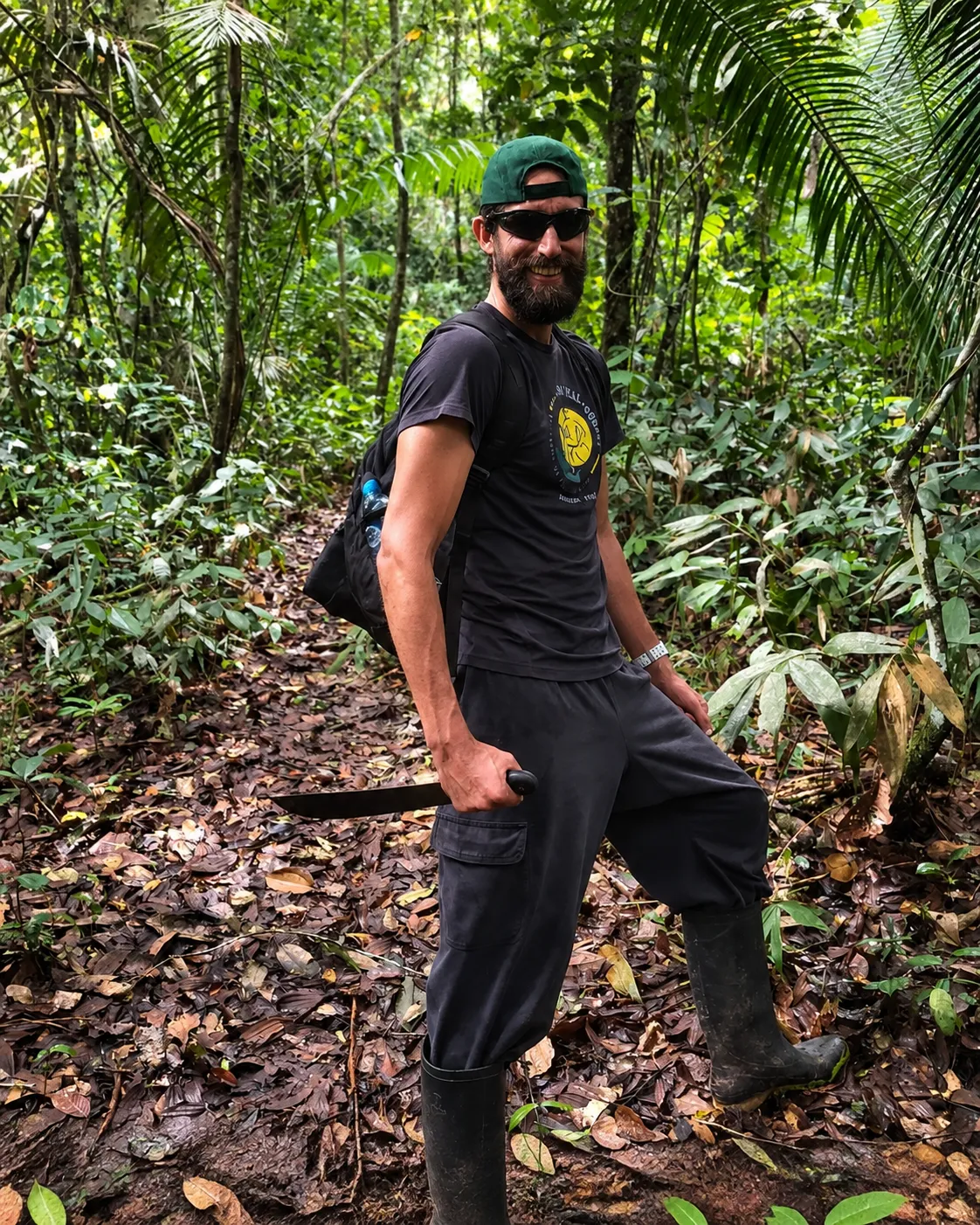
I went to Tarapoto and ended up living there for six years. I started my own adventure tourism company, designing routes through canyons, waterfalls, rivers, and places few visitors had ever seen. I spent countless days in the jungle with a machete and ropes, searching for new routes and unforgettable experiences.
I became, quite literally, a jungle explorer.
Working with families showed me something I hadn't expected. Watching children discover a hidden waterfall, follow a jungle trail, or overcome a challenge they were afraid of made me realise that adventure could be much more than entertainment. It could help people grow.
Then my life changed direction again
From Adventure to Education
The pandemic brought an unexpected end to my years in adventure tourism and eventually took me to Bali.
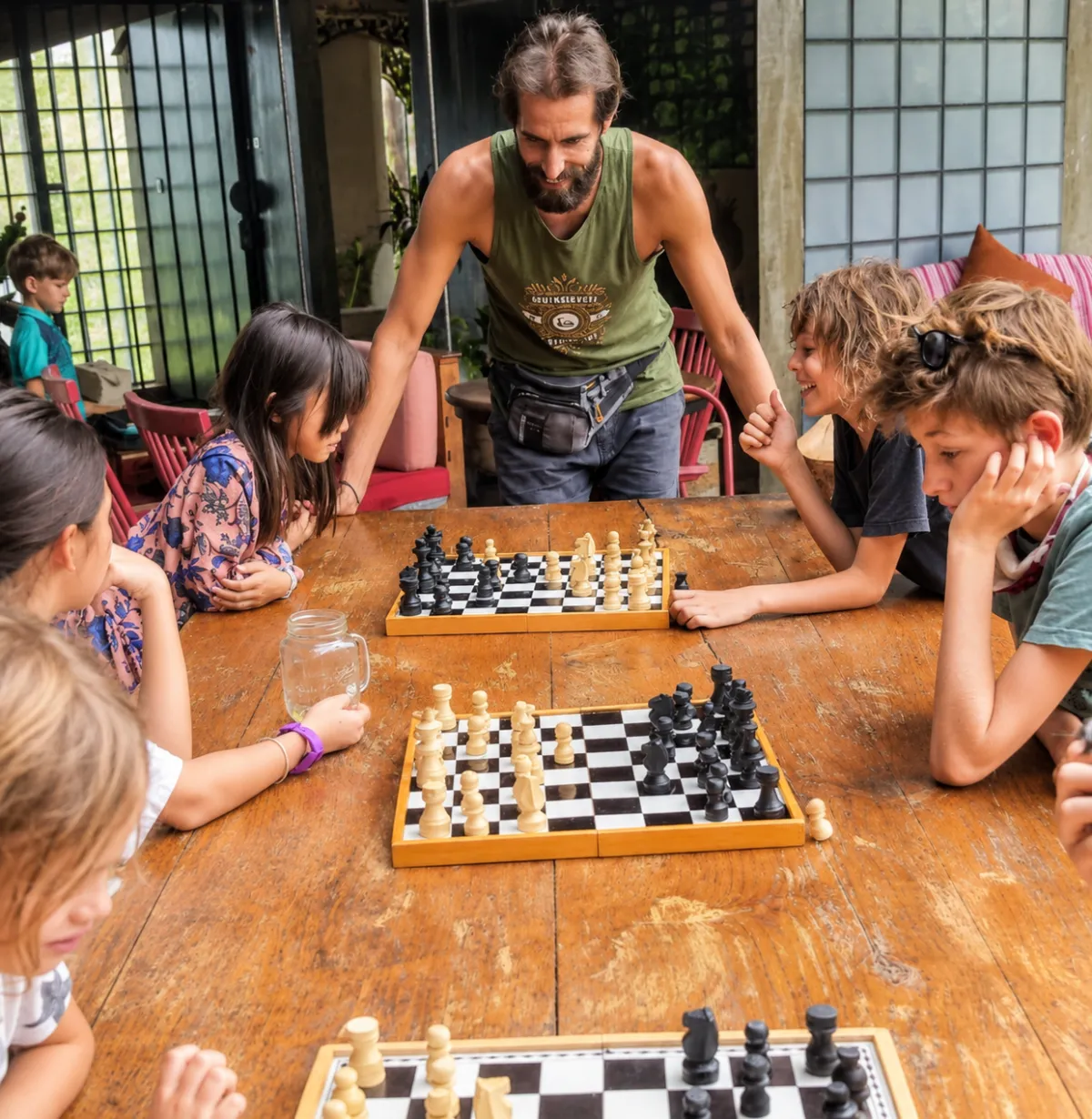
Suddenly, I found myself in a completely different world: education. I began teaching chess and history, designing camps and activities for children, and eventually helping run a primary school.
At first, education was simply a new direction. But over time, I discovered something I had not expected: I loved working with children. I loved seeing curiosity come alive, watching students make connections, and helping them discover that learning could happen through stories, questions, experiences, and challenges — not just textbooks.
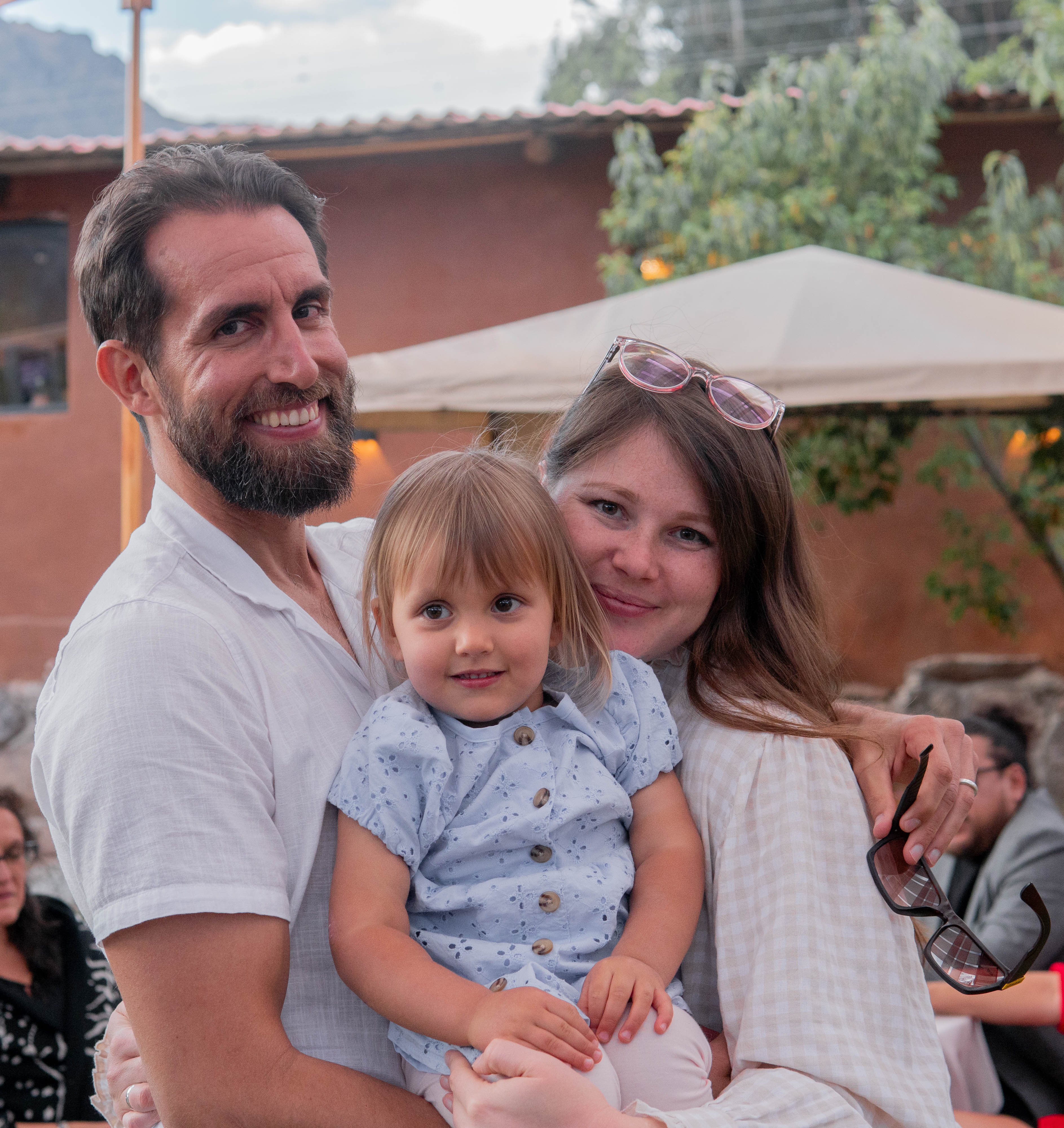
During my time in Bali, I also met my wife, Alina, and we had our daughter, Alisa. Becoming a father changed the way I thought about children and education in a very personal way. I no longer only asked, "What is interesting for children?" I began asking, "What kind of experiences would I want my own daughter to have?"
That question eventually led me to worldschooling
Finding Worldschooling
On our journey back to Peru, I had the opportunity to work for the first time with a worldschooling project. I travelled with families, staying for around a month in different destinations, and experienced firsthand what learning through travel could look like.
It immediately made sense to me.
Worldschooling brought together so many parts of my own life: travel, adventure, history, education, culture, nature, and community. After arriving in Urubamba and meeting more people from the worldschooling community, I knew I had found something I wanted to build.
Today, I am bringing together everything I have learned throughout my life — from exploring the Amazon with ropes and a machete, to teaching history and chess in Bali, to becoming a father and travelling with worldschooling families.
I want to create experiences in Peru where children can learn by living them. Where history is something you walk through, nature is something you explore, and learning is connected to real people, real places, and real adventures.
And perhaps most importantly, I want to help create the kind of educational experiences that I would be proud for my own daughter to grow up with.
From Bali to the Sacred Valley
Our Family
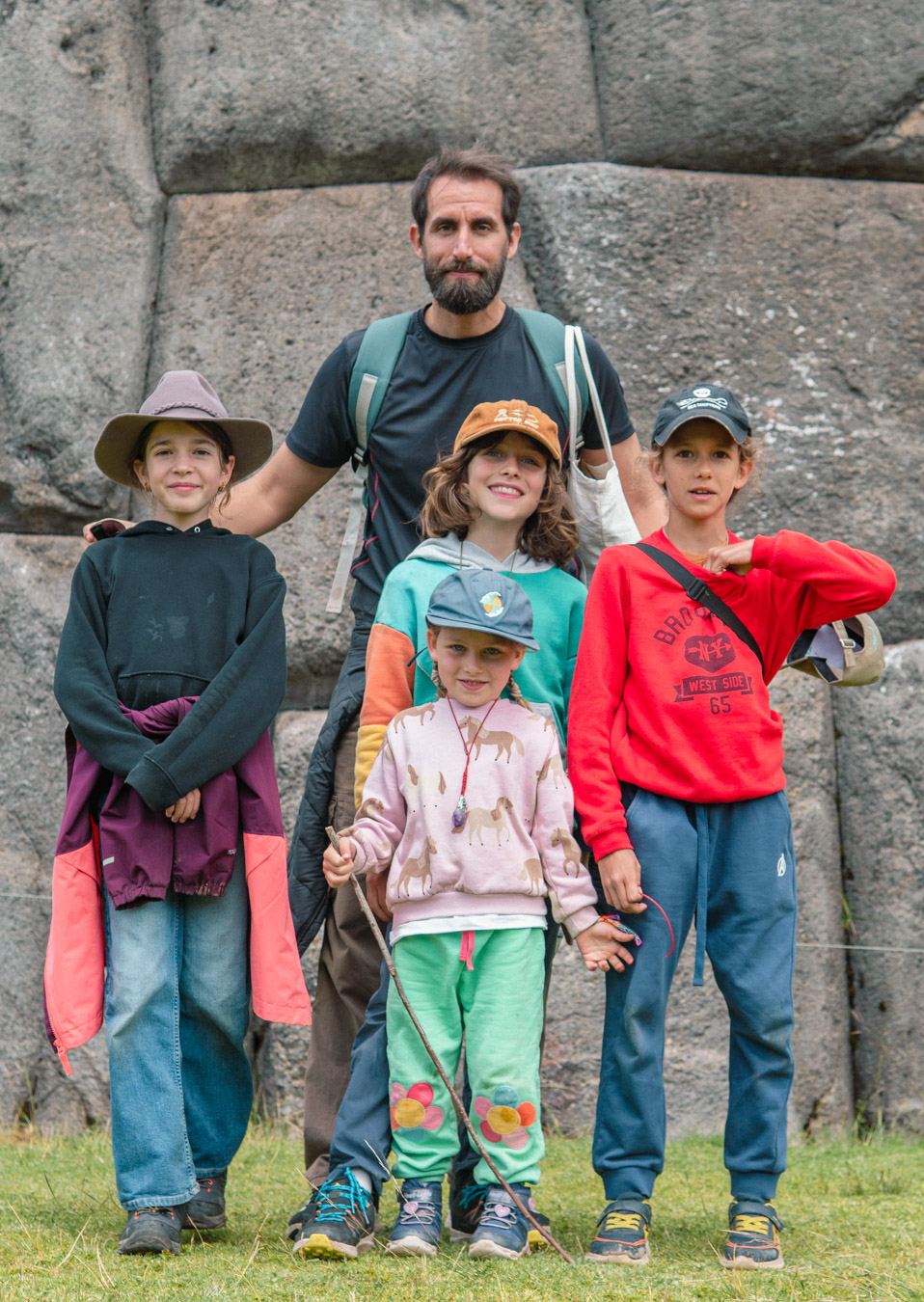
Our family came together in Bali, where I met my wife, Alina. I am from Peru, and she is from Omsk, Russia — an unlikely combination perhaps, but together we have built a truly international family. Our daughter, Alisa, was born in Bali on June 17, 2024.
From the beginning, Alisa’s life has included different languages, cultures, and people from all over the world. She is still very young, so we don't think of education as something that happens only in a classroom. Right now, she learns through play, nature, travel, relationships, and everyday life. As she grows, we want worldschooling to be an important part of her education.
We chose to raise our family in Urubamba, in the Sacred Valley of the Incas. For us, it offers a strong sense of community, a connection with nature, and a lifestyle where children are genuinely part of everyday life. During the week, we balance work, exercise, family time, and social life. But when the weekend arrives — sometimes starting on Thursday, if we're being honest — adventure often takes over. We might hike to a waterfall, visit Inca ruins, explore a hidden hot spring, or simply spend time with friends and family.
What We Believe
Education should not look exactly the same for every child.
Children have different interests, strengths, and ways of learning. A good educator should pay attention to what makes each child come alive and build from there.
Learning does not need to be boring to be serious.
We expect children to be respectful and engaged, but we also believe that if an educator consistently bores their students, that is partly the educator's problem. People learn more when they are interested, challenged, and enjoying what they are doing.
Curiosity is more powerful than instruction.
A teacher cannot force someone to genuinely want to learn. But they can create the conditions for curiosity to grow — and sometimes the best thing a teacher can do is step back and let a child explore.
The world is one of the best classrooms.
A difficult hike can teach more about resilience than a worksheet about it. A conversation with someone from another culture can teach more than reading a chapter in a book. Real experiences stay with us.
Join us in this incredible adventure!
Navigation
Don't miss the next adventure!
No spam, unsubscribe anytime | Privacy Policy
©2026 Peru Journey with Rodrigo. All Rights Reserved | Privacy Policy