Best Time to Visit the Sacred Valley with Kids — Month by Month
One of the questions families often ask before coming to the Sacred Valley is: when is the best time to visit?
The simple answer is that there is no single perfect month. Different times of year offer different experiences, and what is ideal for one family may not be ideal for another.
However, if you are travelling with children and want to spend an extended period living in the Sacred Valley, there are definitely some things worth knowing before choosing your dates.
The Two Main Seasons
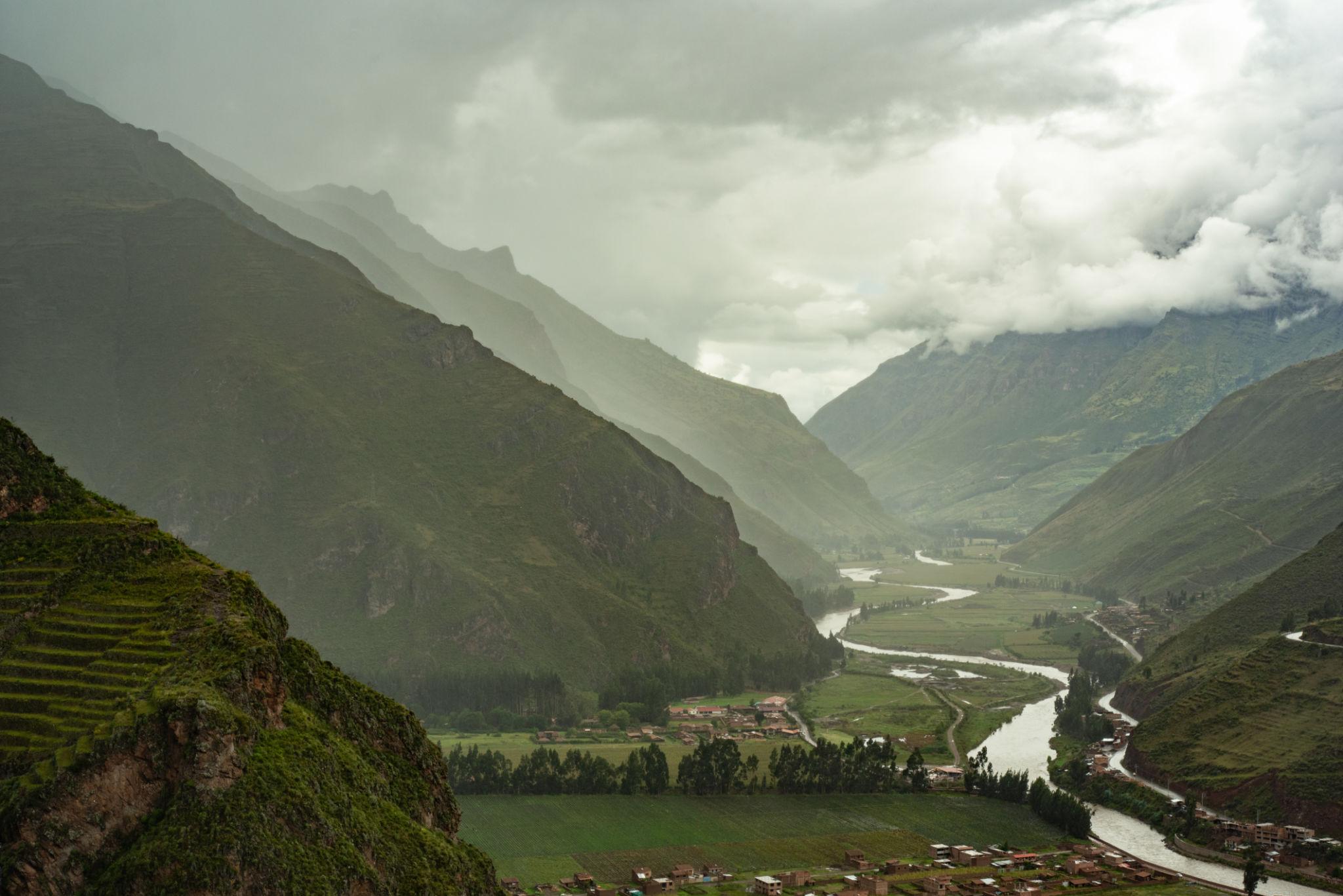
In general, the Sacred Valley has two main seasons: the rainy season and the dry season.
The rainy season generally runs from around December through March, with January and February usually being the wettest months.
But what does "rainy season" actually mean?
It does not necessarily mean that it rains continuously every day. In fact, many days can begin with clear or pleasant weather. Often, the mornings are relatively dry and the rain arrives later in the afternoon or evening.
Of course, this is the mountains, and the weather can always surprise you. Some days bring very heavy rain, and sometimes the rain can last much longer than expected.
Weather here has tendencies. It is not an exact science.
For families planning hikes, outdoor activities, and regular adventures, January and February can be frustrating. A beautiful morning can quickly turn into a very wet afternoon, and heavy rain can affect roads, trails, and plans.
For that reason, if you have flexibility, these are the two months I would personally be most likely to avoid.
Temperature: Warm Days, Cold Nights
The Sacred Valley has a classic mountain climate: warm days and cold nights.
One of the things that surprises many visitors is how dramatically the temperature can change between daytime and nighttime. You might be enjoying the sun in a T-shirt during the afternoon and need several layers once the sun goes down.
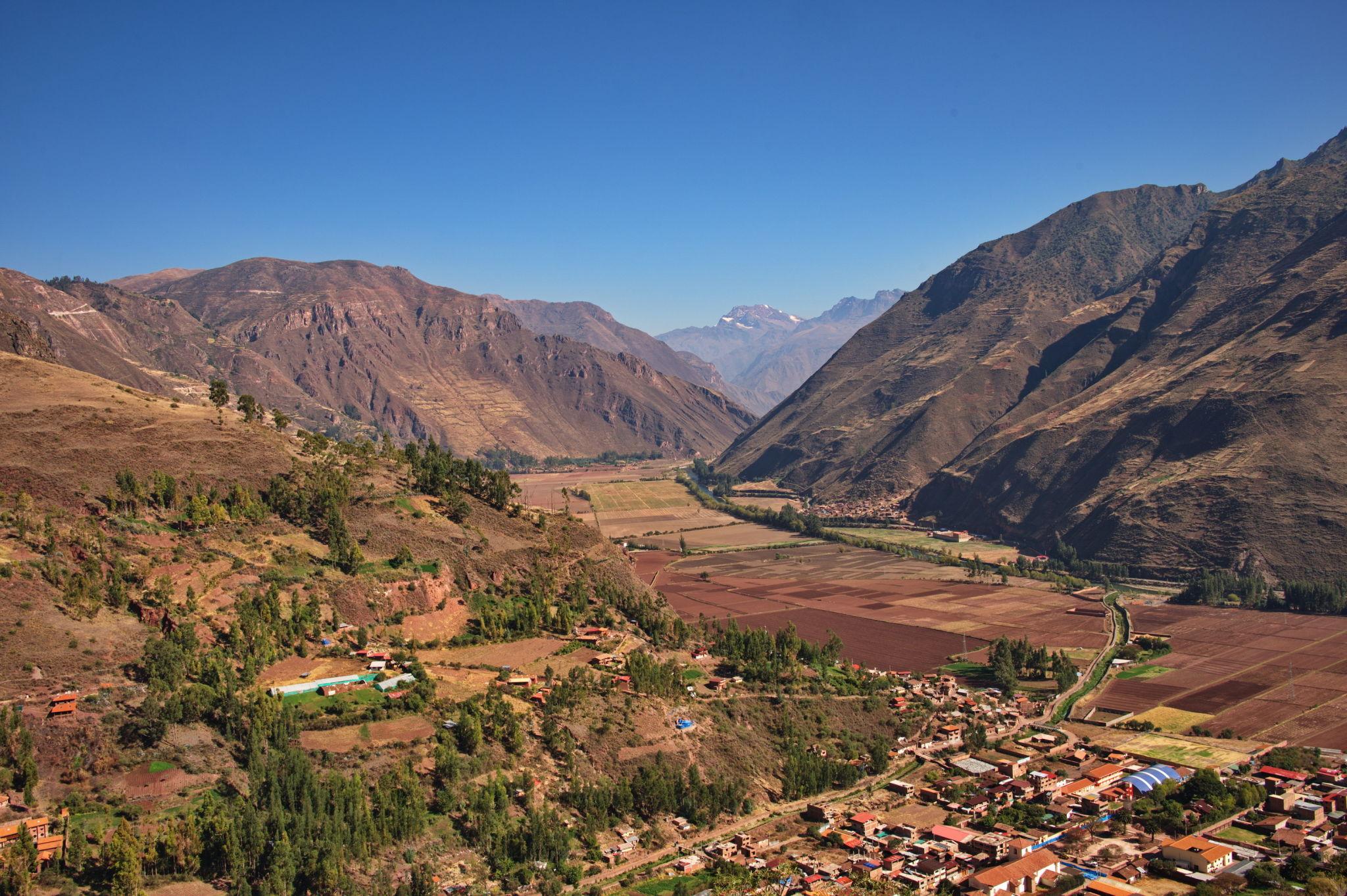
Spring and autumn are generally very comfortable. The days are pleasant, and the nights are usually not as cold as during the heart of winter.
The coldest period is generally from June through August, which is winter in the Southern Hemisphere. During this time, nighttime temperatures can approach 0°C (32°F), and July is often one of the coldest months.
The local term la helada is used for periods of particularly cold weather.
The important thing for families to understand is that many houses in the Sacred Valley do not have central heating.
This means that a temperature that might not sound particularly dramatic on paper can feel much colder indoors than you expect.
Ask About Heating Before You Book
If you are coming during the colder months, I strongly recommend asking your Airbnb host or landlord about heating before booking.
Find out whether the house has:
Electric heaters
Gas heaters
A fireplace or chimney
Enough blankets and warm bedding
This can make a big difference to your experience.
One thing to be aware of with electric heaters is that electricity can be expensive. If you are renting long-term, make sure you understand who is paying the electricity bill and whether heavy heater use could create an unexpected expense.
Personally, I would still recommend visiting during the winter months. The nights can be cold, but the days are often beautiful, and the dry weather makes it a fantastic time for exploring the Sacred Valley.
Festivals and Special Times of Year
Peru and the Cusco region have an incredible calendar of festivals and celebrations. If you plan your visit around one of them, you can experience a completely different side of the region.
March and April — Easter and Semana Santa
The dates of Easter change every year, but Semana Santa can bring religious processions and special celebrations throughout Peru.
This can be an interesting time for families who want to experience local traditions, although travel and accommodation can become busier around major holiday periods.
June — Inti Raymi
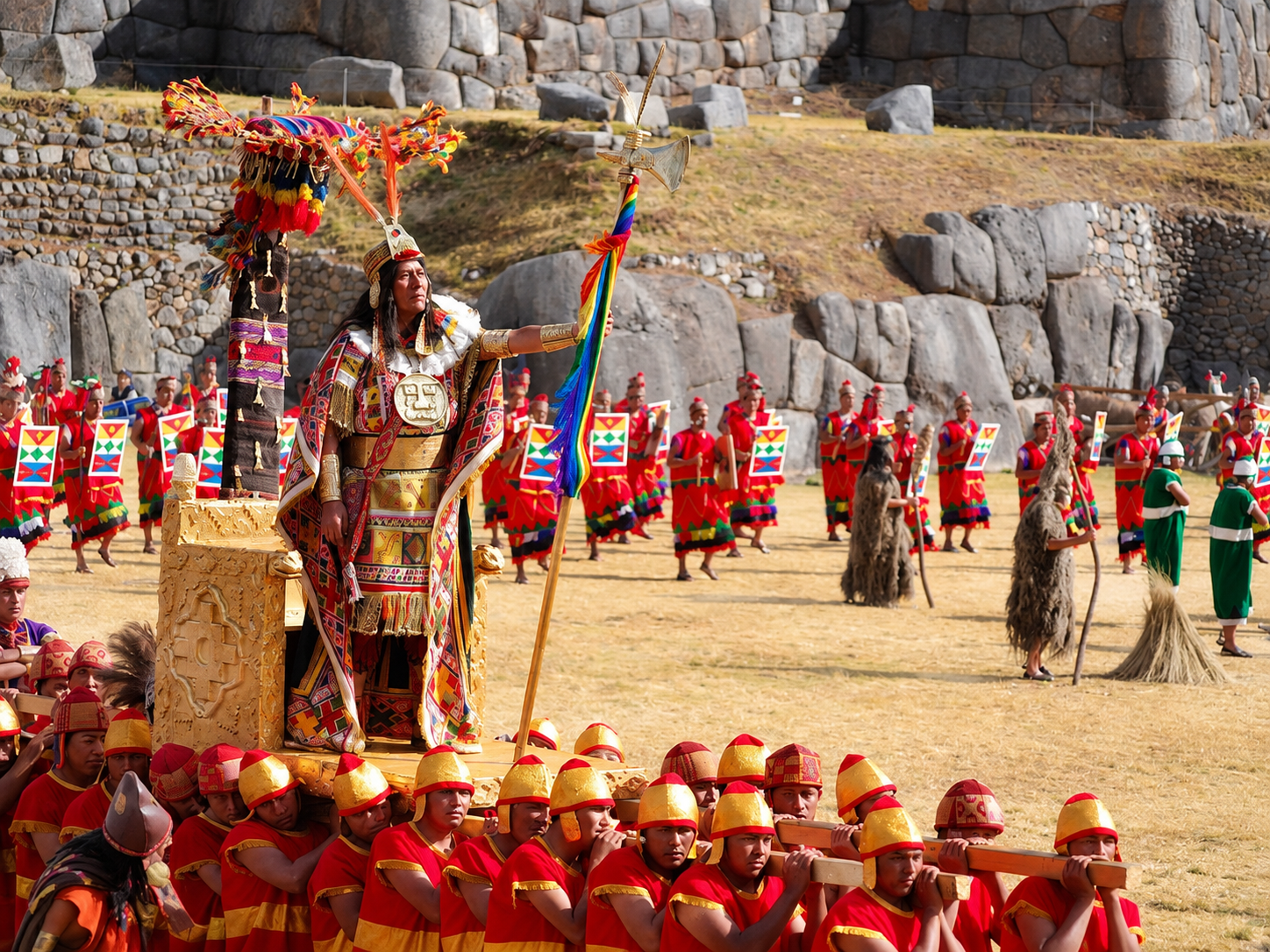
One of the biggest cultural events of the year is Inti Raymi, the Festival of the Sun, which takes place in Cusco in June.
The city becomes extremely lively, with celebrations, ceremonies, and visitors coming from around the world.
It is a fascinating time to be in the region, but Cusco can also become much busier. If you are part of our program during this period, we will take major cultural events like this into account when planning activities.
July — Independence Day
Peru celebrates Independence Day on July 28, with celebrations taking place throughout the country.
This is another period when there is plenty happening and when domestic travel can increase. Families visiting during this time can experience an important national celebration, but it is worth planning accommodation and transport in advance.
What About Crowds?
The busiest periods for tourism generally coincide with the dry season, when the weather is most reliable for visiting major archaeological sites and doing mountain activities.
This can mean more visitors in Cusco and at famous destinations such as Machu Picchu.
However, one advantage of staying in Urubamba for an extended period is that you do not have to approach the Sacred Valley like a rushed tourist.
You are living here.
You can visit places during quieter times, explore less famous destinations, spend a day at home when the weather is bad, and choose your adventures without trying to fit everything into three days.
For families, I think this makes a big difference.
My Month-by-Month Recommendation
January
Very rainy. The landscape is beautiful and green, but outdoor plans can be affected. Personally, not my first recommendation for families coming specifically for hiking and adventures.
February
Usually one of the wettest months. There is a greater chance of heavy rain affecting outdoor activities. Personally, this is one of the months I would avoid if you have flexibility.
March
A transition month. Rain is still possible, but conditions often begin improving. The landscape is green and beautiful.
April
One of my favourite times. Generally pleasant temperatures and increasingly reliable weather.
May
Excellent for families. The dry season is beginning, the days are beautiful, and it is a great time for outdoor activities.
June
Dry and beautiful. Nights are becoming cold, but there are major cultural events and excellent conditions for exploring.
July
Probably the coldest month at night. However, the days can be fantastic, and the weather is generally excellent for outdoor adventures. Just make sure your accommodation is prepared for cold nights.
August
Still dry and a great time to visit. Nights can remain cold, but it is an excellent period for exploring the mountains and the Sacred Valley.
September
Very pleasant. The weather is generally good, temperatures begin to feel warmer, and it is one of my favourite times of year.
October
Another excellent month. The landscape begins changing as the wetter season approaches, but there is still plenty of good weather.
November
A transition month. You may begin to experience more rain, but it can still be a very good time to visit.
December
The rainy season is returning. Rain becomes more frequent, particularly later in the month, although there can still be plenty of beautiful days.
My Honest Recommendation
If I had to choose the best period for a family to spend time in the Sacred Valley, I would generally recommend March through November, with a special preference for April, May, June, September, and October.
I would personally be most cautious about January and February, especially for families who are hoping to spend a lot of time hiking and exploring outdoors.
That does not mean you cannot have a wonderful time during the rainy season. You absolutely can. But I would rather be honest with families than tell them every month is equally perfect.
The truth is that the Sacred Valley changes throughout the year. Some months are greener. Some are colder. Some are wetter. Some are busier.
The best time to come depends partly on what kind of experience your family wants — but if you come prepared, almost every season has something special to offer.
Peru Journey with Rodrigo runs four-week worldschooling hubs in Peru for children aged 8–14 — one in the Sacred Valley, one in the Amazon.
Sacred Valley Hub → | Amazon Hub → | 2027 dates →
Planning your own trip instead? You can book a paid one-to-one call with Rodrigo — $100.