How Much Does a Month in the Sacred Valley Cost? Real Family Budget
One of the things I really like about living in the Sacred Valley is that, compared with the United States or much of Europe, it is still possible to live here quite comfortably without spending an enormous amount of money.
Of course, your budget will depend on your lifestyle. You can live here quite simply and economically, or you can rent a beautiful house, eat in restaurants regularly, hire private transport, and go on adventures every weekend.
In this article, I want to give you a realistic idea of what a month in Urubamba can cost for a family.
Accommodation
For a family of four, I would generally expect to budget around $1,200–$1,500 per month for a comfortable short-term rental in or around Urubamba.
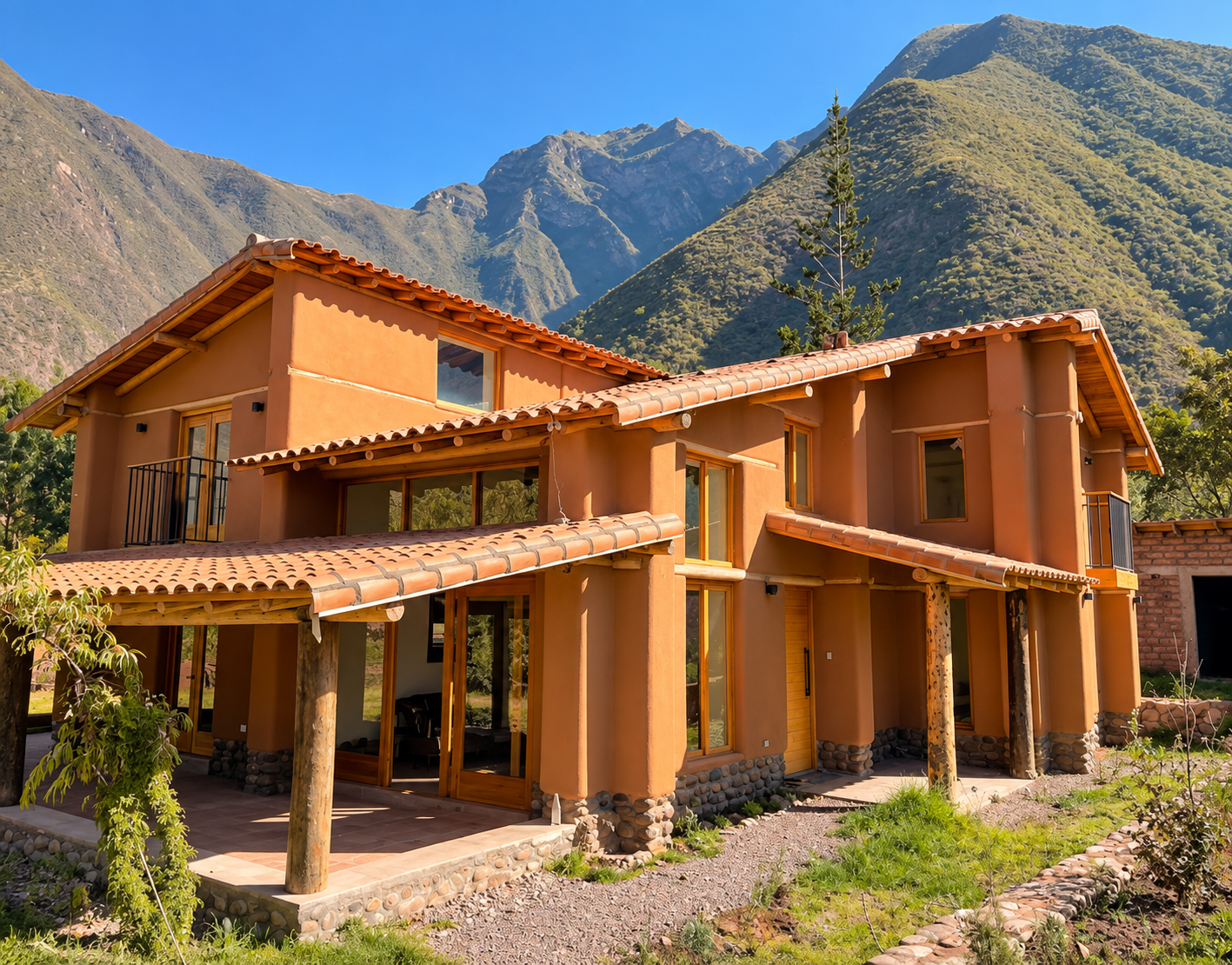
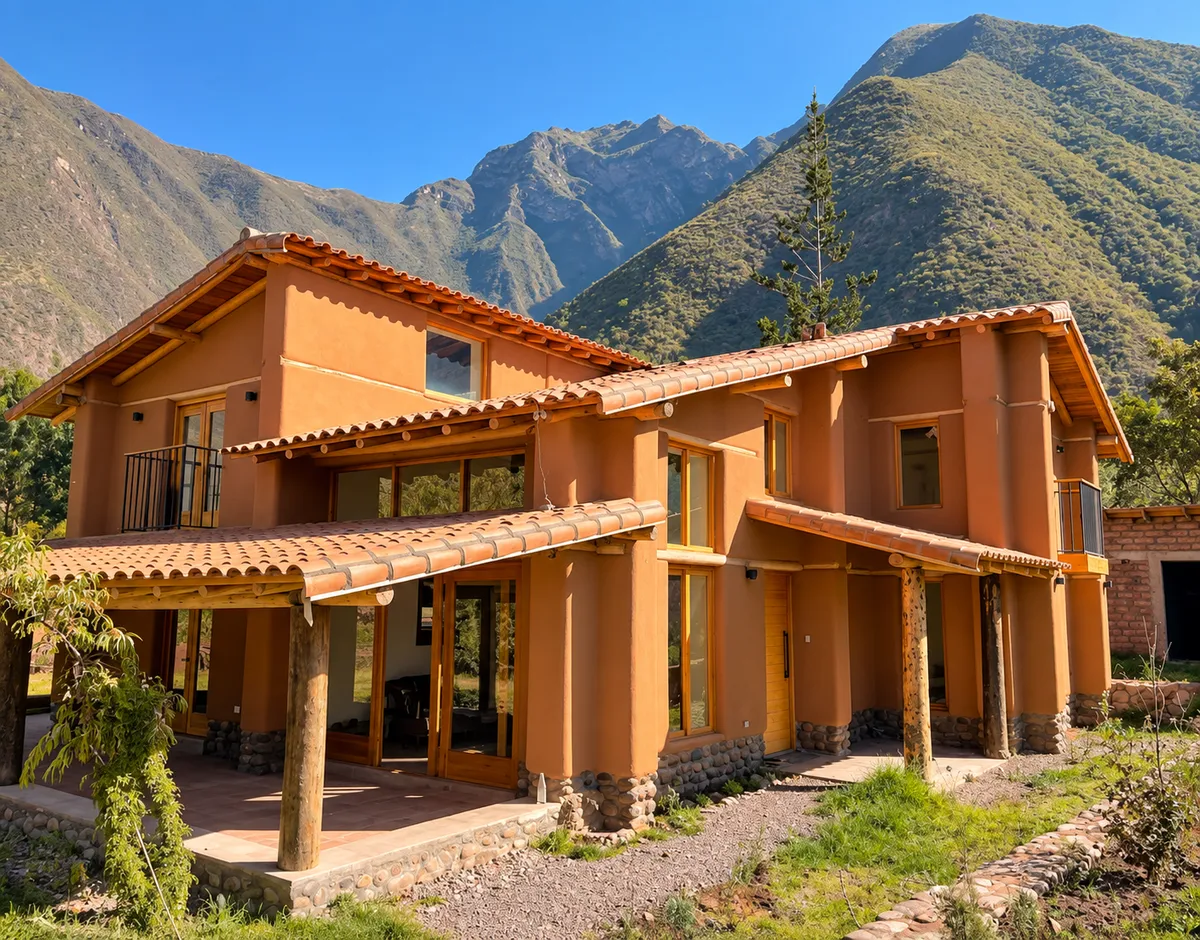
There are many options in the area, including apartments, houses, Airbnbs, and properties with gardens or outdoor space. What you get for your money can vary significantly depending on the location, number of bedrooms, quality of the property, and whether you are staying for one month or signing a longer lease.
My own family lives here long-term, and we pay approximately $850 per month for our home. However, that is a long-term rental, so I would not expect a visiting family staying for only one month to necessarily find the same price.
One of the advantages of being based here is that I know the area and am in contact with people who rent some very nice properties. I am happy to help families find accommodation that suits their needs and, hopefully, avoid paying more than necessary.
Food
Food can be one of the most affordable parts of life in the Sacred Valley — especially if you buy from local markets and cook at home.
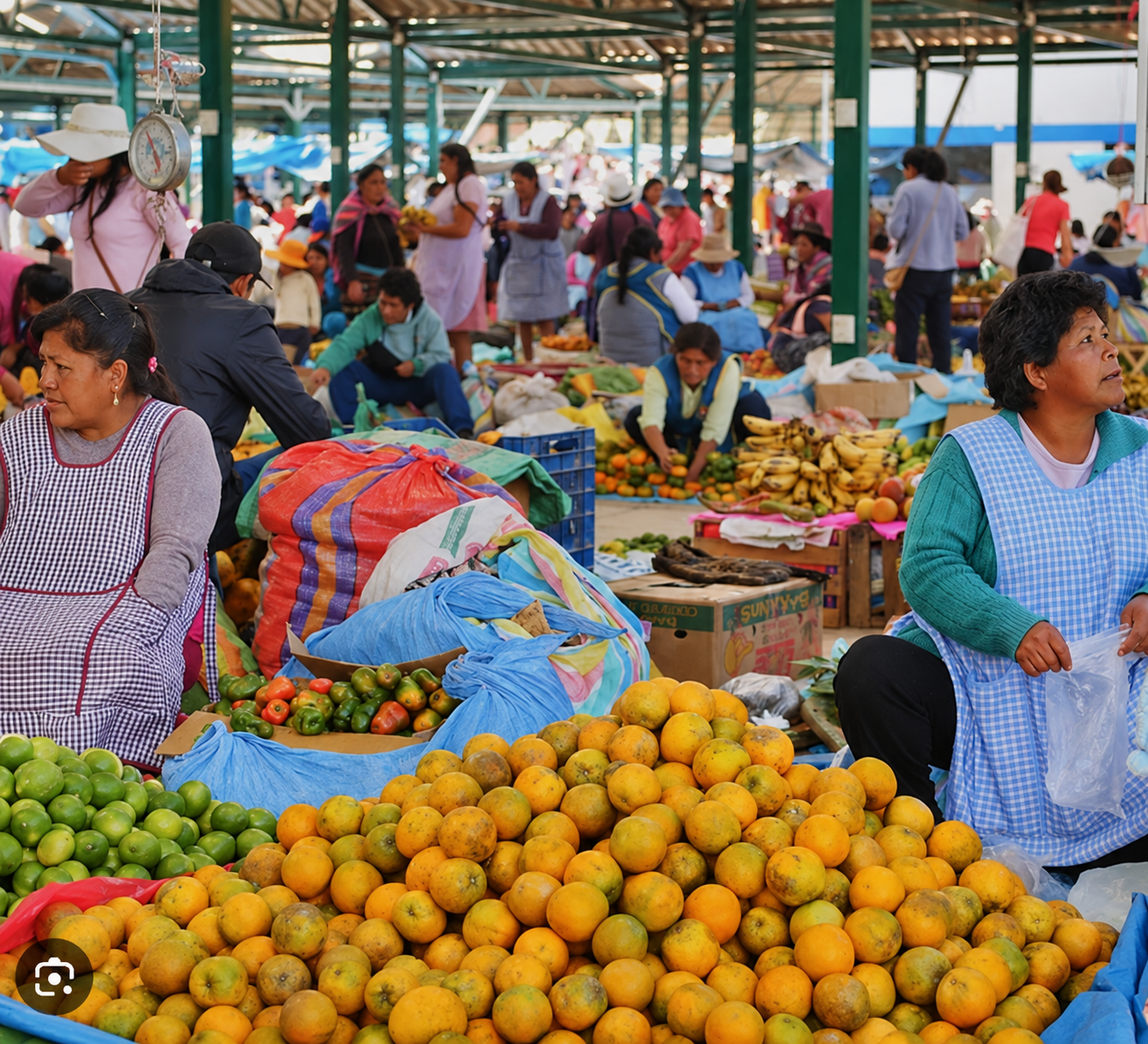
The region has a lot of local agriculture, and fresh fruit and vegetables are abundant. For example, you can often find avocados for around $1.50 per kilogram, depending on the season and the market.
My own family shops regularly at the local market, and we also have someone who comes to our house and cooks for us. Even though we eat a lot, we spend approximately $400 per month on groceries for our family of three.
For a family of four cooking most of their meals at home, I would suggest budgeting around $450–$650 per month, depending on what you eat and how much imported food you buy.
Restaurants are also available at very different price levels. You can find simple local meals for around $3–$5 per person, while tourist-oriented and higher-end restaurants can cost significantly more.
Personally, we mostly eat at home. For families staying for a full month, I think this is one of the easiest ways to keep costs reasonable while also enjoying the experience of shopping in local markets.
Getting Around
One of the great things about Urubamba is that you do not necessarily need a car for everyday life.
The town itself is relatively compact, and many places can be reached on foot. For longer distances within town, people commonly use mototaxis — the small three-wheeled vehicles similar to tuk-tuks.
A trip across town will often cost around $1–$2.
To travel between towns in the Sacred Valley, you have two main options.
The first is public transport. There are colectivos and buses regularly travelling between the different towns, and these are extremely affordable. You can often travel to another town within approximately an hour of Urubamba for around $1–$2 per person.
The second option is private transport. A private taxi is obviously more comfortable and flexible for a family, particularly when travelling with young children. Prices vary depending on distance, but a private journey to a destination around an hour away might cost approximately $25–$40.
My advice is that most families do not need to rent a car for an entire month. Public transport, mototaxis, walking, and occasional private drivers are usually enough.
Internet and Mobile Data
Internet in the Sacred Valley can be very good, but this is one area where I strongly recommend checking the exact property before booking.
In town and in many residential areas, you can find reliable home internet. Current Peruvian home internet plans can cost roughly $20–$30 per month for basic to mid-range service, although availability depends heavily on the exact location and whether the property already has an installation.
For mobile data, Peru is generally very affordable. A 30-day prepaid plan can cost around $6–$12, depending on how much data you need. For example, current Claro prepaid options include packages ranging from 6 GB for S/20 to 20 GB for S/40.
For families working remotely, I would personally prioritize accommodation with proven reliable Wi-Fi rather than simply trusting that an Airbnb listing says it has "internet."
Costs Families Often Forget
The biggest thing I would remind families to budget for is weekend activities.
The Sacred Valley has an incredible amount to explore, and it can be very tempting to do something every weekend — and sometimes during the week as well!
You might visit hot springs, hike to waterfalls, explore Inca ruins, visit nearby communities, take a taxi to another town, go on a longer adventure, or simply join friends for a meal.
These activities can add up.
You should also remember to budget for things such as:
Entrance tickets to archaeological sites
Taxis and private drivers
Occasional restaurant meals
Activities and tours outside the regular program
Shopping and souvenirs
Medical expenses or travel insurance
Babysitting or childcare, if needed
Imported foods and products you may be used to buying at home
A Realistic Monthly Budget
For a family of four, excluding the cost of the hub itself, I would suggest thinking about two different budgets.
A modest but comfortable budget: approximately $2,500–$3,000 per month
This would generally include:
A reasonably priced family rental
Most meals cooked at home
Shopping at local markets
Public transport and mototaxis
Occasional private taxis
Some restaurant meals
A few activities and adventures
A more comfortable and flexible budget: approximately $3,000–$4,500 per month
This could allow for:
A larger or higher-quality house
More restaurant meals
Regular private transport
More frequent weekend adventures
Higher-end activities and tours
Greater flexibility for spontaneous plans
Where Families Overspend
In my experience, one of the easiest ways to overspend unnecessarily is on transport.
Visitors sometimes arrive without local contacts and end up paying much more than they need to for private taxis and drivers. If you are staying with us, I can help connect you with reliable local drivers who charge fair prices.
Another area where families can spend much more than necessary is accommodation. Booking a property without knowing the different areas of the valley can mean paying a premium for something that may not actually suit your family's needs.
That is one of the reasons I am happy to help families prepare before they arrive.
Overall, I believe that around $2,500 per month, excluding the cost of the hub, can allow a family of four to have a very comfortable and enjoyable month in Urubamba if they are reasonably conscious of their spending.
If you want a larger house, rent a car, eat out frequently, or take long-distance adventures every weekend, your costs can certainly rise. But compared with many destinations in Europe or North America, the Sacred Valley can offer an incredibly rich family experience at a much more accessible cost.
Peru Journey with Rodrigo runs four-week worldschooling hubs in Peru for children aged 8–14 — one in the Sacred Valley, one in the Amazon.
Sacred Valley Hub → | Amazon Hub → | 2027 dates →
Planning your own trip instead? You can book a paid one-to-one call with Rodrigo — $100.