Is Peru Safe for Families? An Honest Look at the Andes and the Amazon
One of the first questions families ask when considering Peru is whether it is safe to travel here with children.
My honest answer is: it depends very much on where you are.
Peru is a large and diverse country. There are places where families need to be more cautious, particularly in large cities or areas with higher levels of crime. But the Sacred Valley and Tarapoto are very different from the image many people have of Peru before arriving.
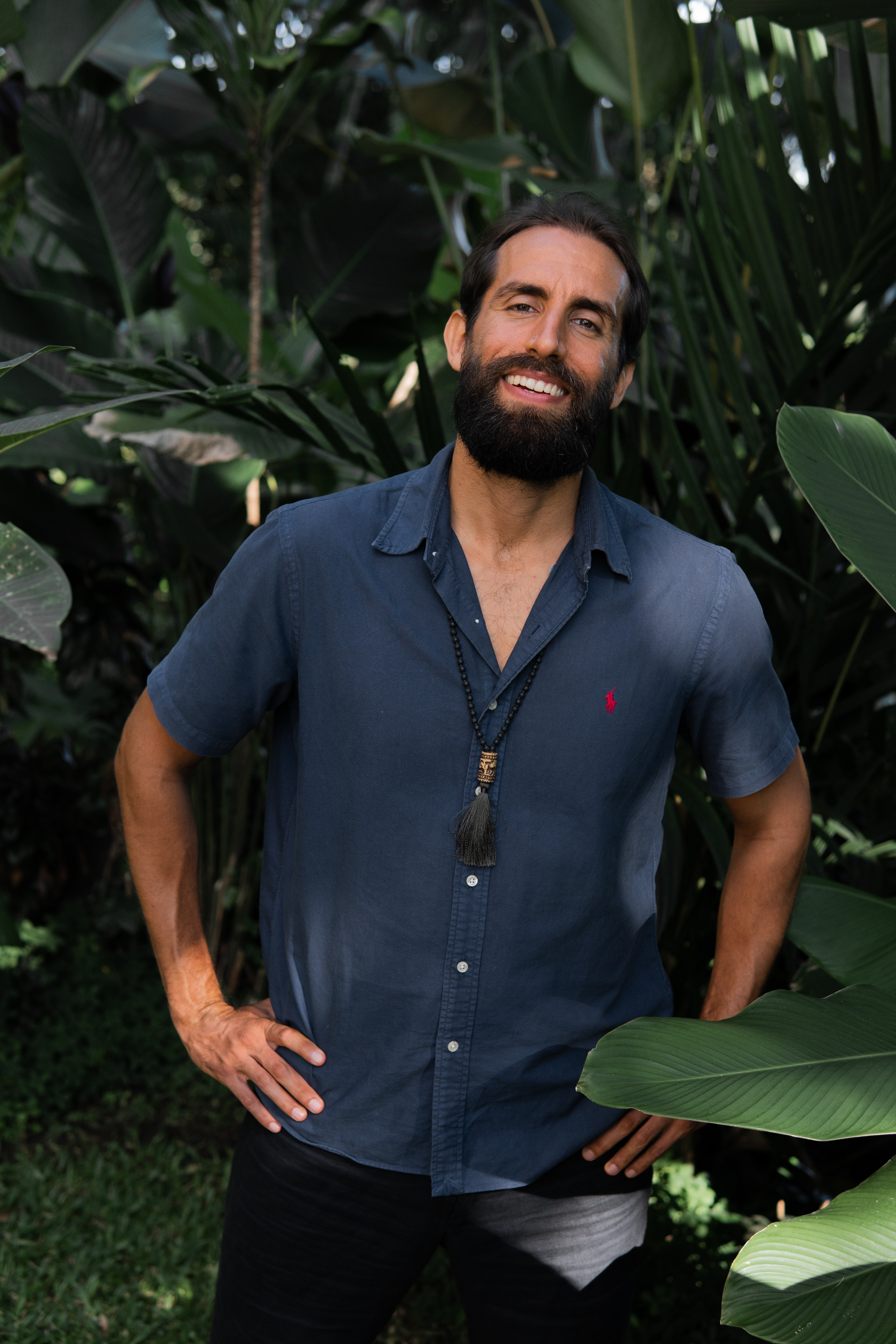
I have been living in Urubamba with my family, and one of the things that people consistently mention about life here is how safe it feels. For me personally, safety was one of the most important things to consider when deciding where to raise my daughter.
Safety in Urubamba and the Sacred Valley
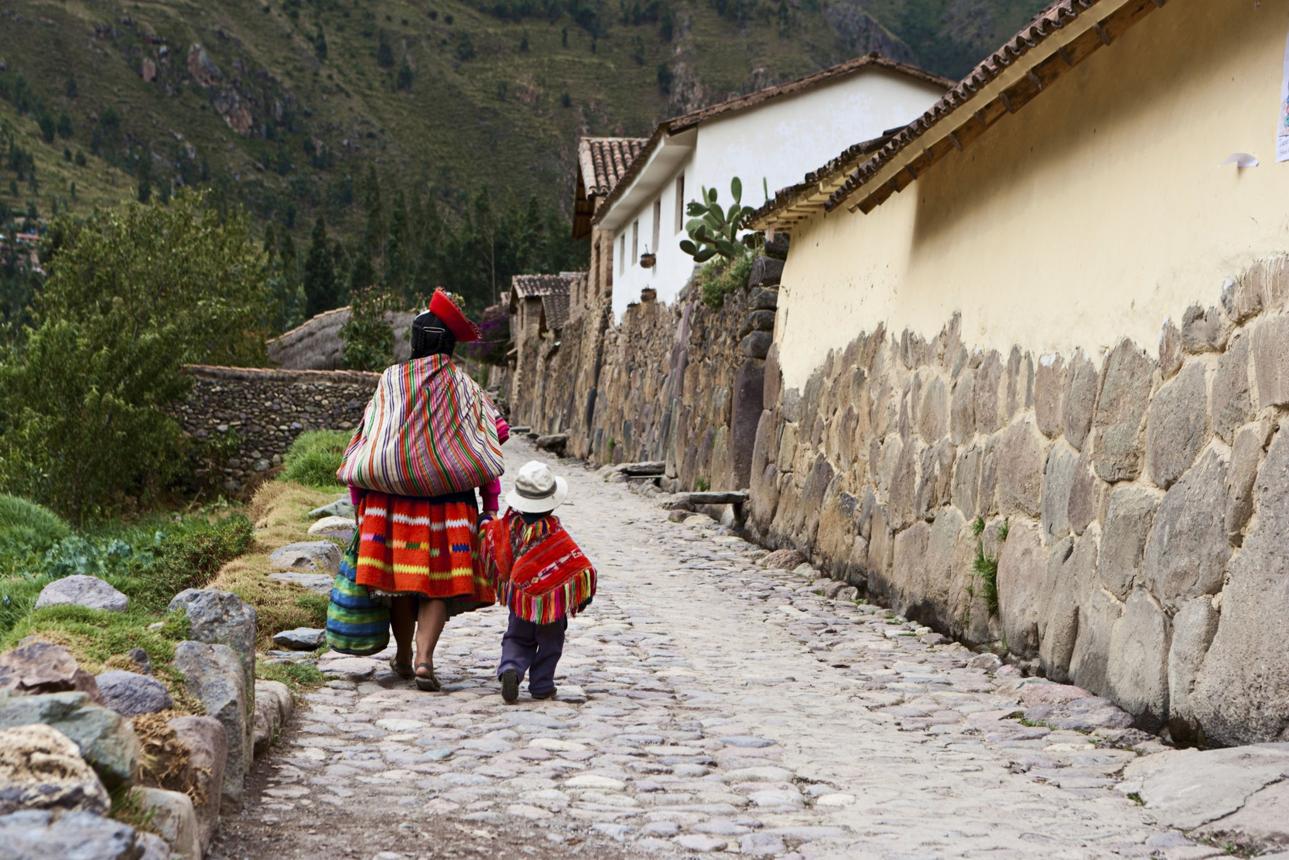
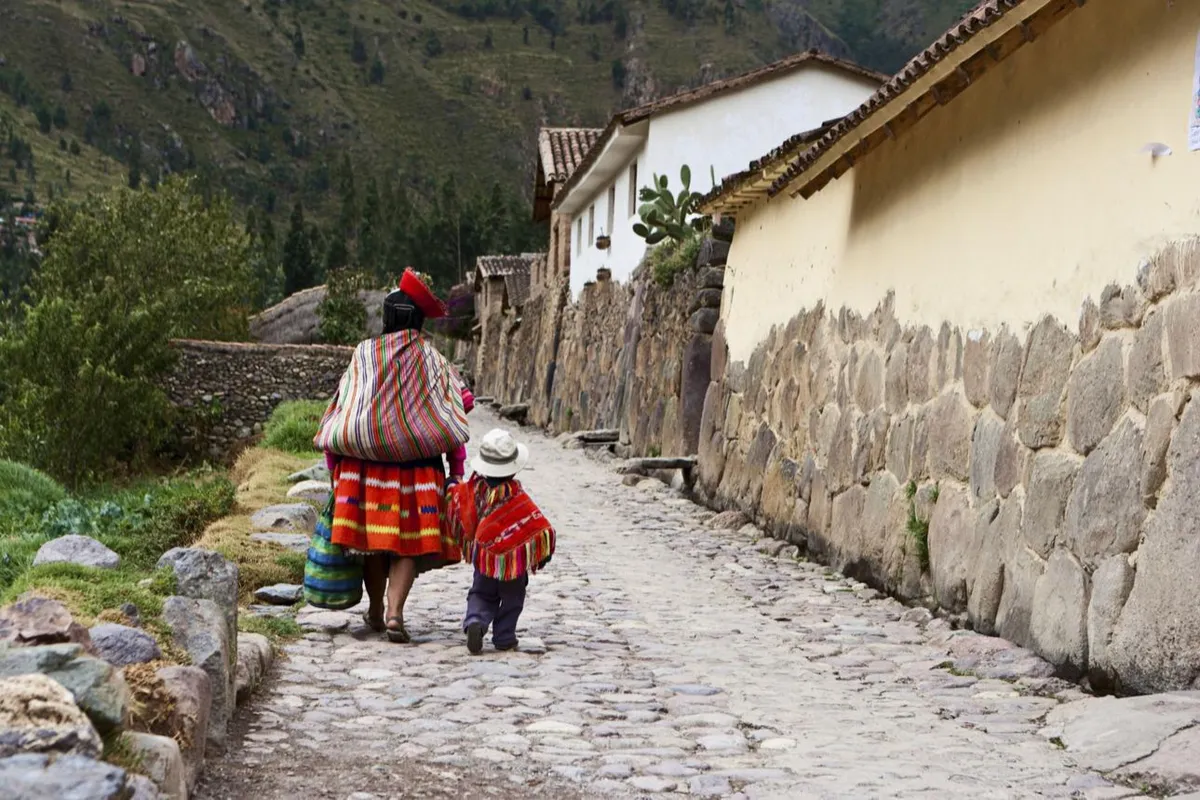
Urubamba is a relatively small town with a strong sense of community. Children are very much part of everyday life here, and families often spend time together during the day in parks, cafés, restaurants, and community events.
Of course, this does not mean you should forget basic common sense. I would still recommend keeping an eye on your belongings, particularly when travelling through busier places such as Cusco or major tourist areas.
But in day-to-day life, I personally find Urubamba to be a very comfortable place to live with a young child.
My wife and I consciously chose the Sacred Valley partly because we wanted our daughter to grow up in a place where we felt comfortable taking her out, meeting other families, and being part of a community.
What About Tarapoto?
Tarapoto is a very different environment, but I also consider it a good place for families.
I lived there for six years, from 2014 to 2020, and it became a very important part of my life. It is a lively and easy place to live, with markets, supermarkets, restaurants, cafés, medical services, and a large local community.
The biggest difference is the environment.
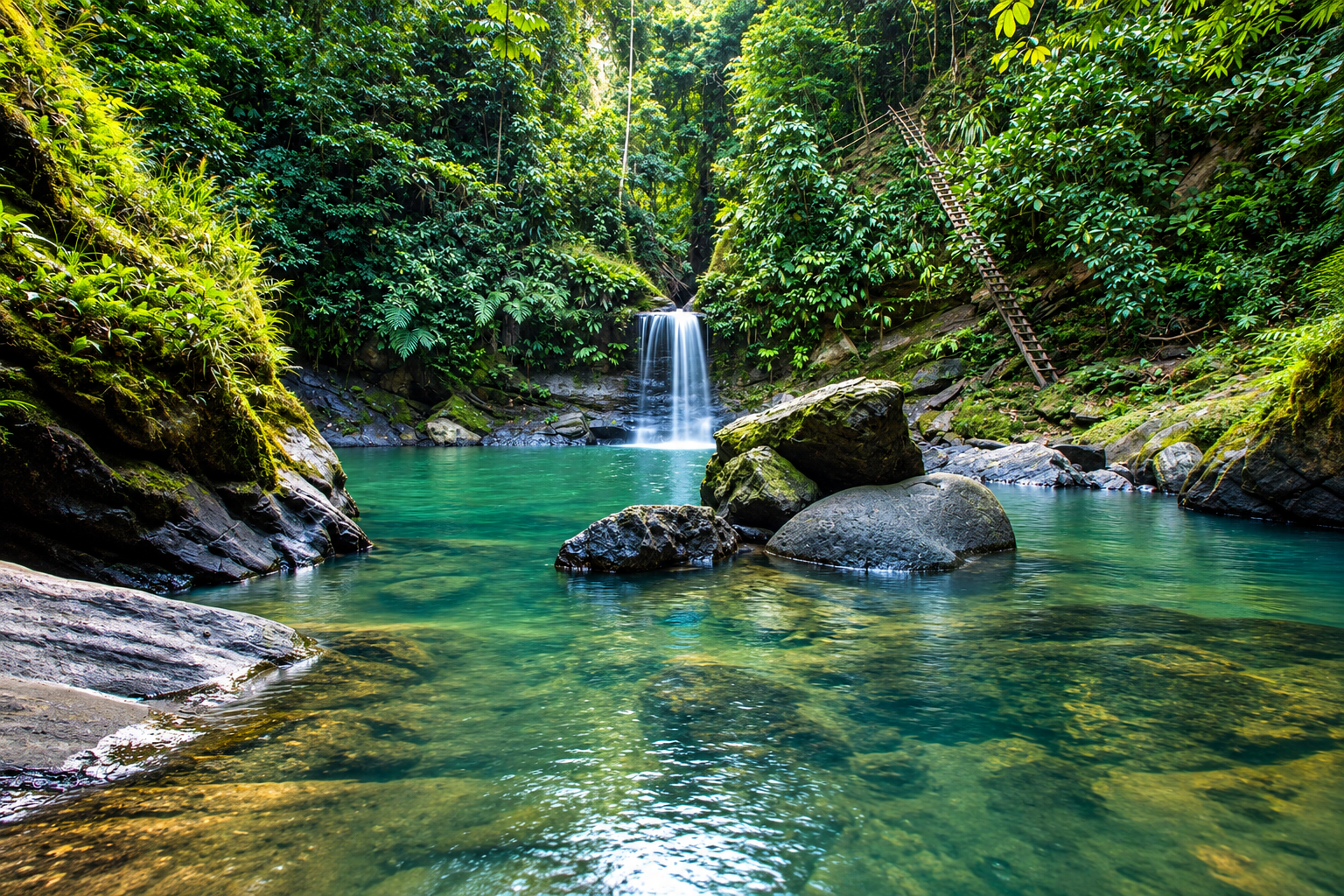
Tarapoto is in the Ceja de Selva, or high jungle, where the Andes meet the Amazon. It sits at around 350 metres above sea level, so altitude is not really a concern. Instead, you have a hot tropical climate, rivers, waterfalls, jungle trails, and an incredible amount of biodiversity.
That also means that the safety considerations are different.
In Tarapoto, families need to think more about mosquitoes, heat, rain, rivers, waterfalls, and uneven jungle trails. If you are joining our Amazon Hub, these are all things we take seriously.
During excursions, we stay together as a group, use designated trails, supervise water activities, and only enter rivers when conditions are considered safe. Children are also taught not to touch unknown animals, insects, or plants.
There will be mud, bugs, rain, and situations that may push children outside their comfort zone. That's part of the experience — but I think it is important for families to understand that before they come.
This is an adventure program in the Amazon.
Food, Water, and Stomach Problems
This is probably one of the most common issues travellers encounter in Peru.
My advice is simple: do not drink untreated tap water. Use bottled, filtered, or appropriately treated water instead.
Food and water standards vary, and travellers can be exposed to microorganisms that their bodies are not used to. This is one reason stomach illnesses and travellers' diarrhea can occur. Good hand hygiene and sensible food choices can reduce the risk.
For families with children, I would recommend:
Drinking safe, treated water
Being careful with ice unless you know it was made with safe water
Washing hands regularly
Washing produce with safe water
Being cautious about food that has been sitting out for a long time
Keeping young children from putting questionable objects or water into their mouths
Most stomach problems are temporary, but I would not assume that every case will resolve quickly. Young children can become dehydrated more easily, so persistent vomiting, diarrhea, unusual sleepiness, signs of dehydration, or a child who is becoming significantly worse should be assessed by a medical professional.
In Tarapoto, the hot and humid climate makes good food and water hygiene particularly important. Families should also be prepared for a very different climate from the dry mountain environment of the Sacred Valley.
Medical Care
There are medical services in both Urubamba and Tarapoto, and for routine or less serious problems it is possible to receive care locally.
For more serious emergencies or cases requiring more specialized treatment, Cusco has larger hospitals and a broader range of medical services. One major public hospital is the Hospital Regional del Cusco, located on Avenida de la Cultura in Cusco.
If you are staying in Tarapoto, I can also help families understand where to go locally if they need medical care.
For families travelling to Peru, I strongly recommend having comprehensive travel medical insurance. Before buying a policy, check specifically that it covers:
Medical treatment in Peru
Emergency hospitalization
Medical evacuation or transport
Adventure activities you plan to do
Children and the entire family
If you are planning activities in remote areas or at high altitude, medical evacuation coverage is particularly worth considering.
Dogs and Animals
One thing people sometimes do not think about before coming to Peru is the number of dogs they may encounter.
You will see dogs in towns and rural areas. Many are friendly, but I strongly recommend teaching children not to approach, touch, or play with unfamiliar animals without the owner's permission.
In Tarapoto and the Amazon, the advice extends to insects and wildlife. Children should not touch unknown animals, insects, or plants, even if they look harmless or interesting.
Any animal bite should be taken seriously and assessed by a medical professional.
The Sun Is Stronger Than Many People Expect
This is one of the things visitors often underestimate.
In the Sacred Valley, we are high in the Andes, and solar radiation can be intense. You can get sunburned surprisingly quickly, even when the weather does not feel extremely hot.
Tarapoto is a different situation. It is much lower in elevation, but the tropical sun can still be very strong, especially when you are spending long periods outdoors.
For children and adults alike, I recommend:
Wearing hats
Using sunscreen
Bringing sunglasses
Taking breaks in the shade
Being especially careful during long hikes or outdoor activities
Whether you are in the mountains or the jungle, this is not something I would ignore.
What if Something Goes Wrong?
If your family is part of one of our programs, the first thing I would want you to do is contact me directly. I live here, I know the area, and I can help you understand where to go and who to contact.
However, families should never rely on only one person in an emergency. Before your arrival, we will provide families with important local contact information and guidance on what to do if something goes wrong.
Useful national emergency numbers in Peru include:
Police: 105
Firefighters: 116
Highway Police: 110
Civil Defense: 115
Official emergency numbers can be checked through the Peruvian government's emergency information pages.
I would also recommend keeping the contact information for your accommodation, your travel insurance provider, and your nearest medical facility saved on your phone.
My Honest View
I would not tell a family that Peru is completely risk-free. No destination is.
You need to think about food and water. You need to protect your children from the strong sun. In the Sacred Valley, you need to understand altitude. In Tarapoto, you need to be prepared for the tropical environment, insects, heat, rain, and outdoor activities.
And, as in any country, you should use common sense when travelling and looking after your belongings.
But I also believe that many worries people have before arriving are larger in their imagination than in daily reality.
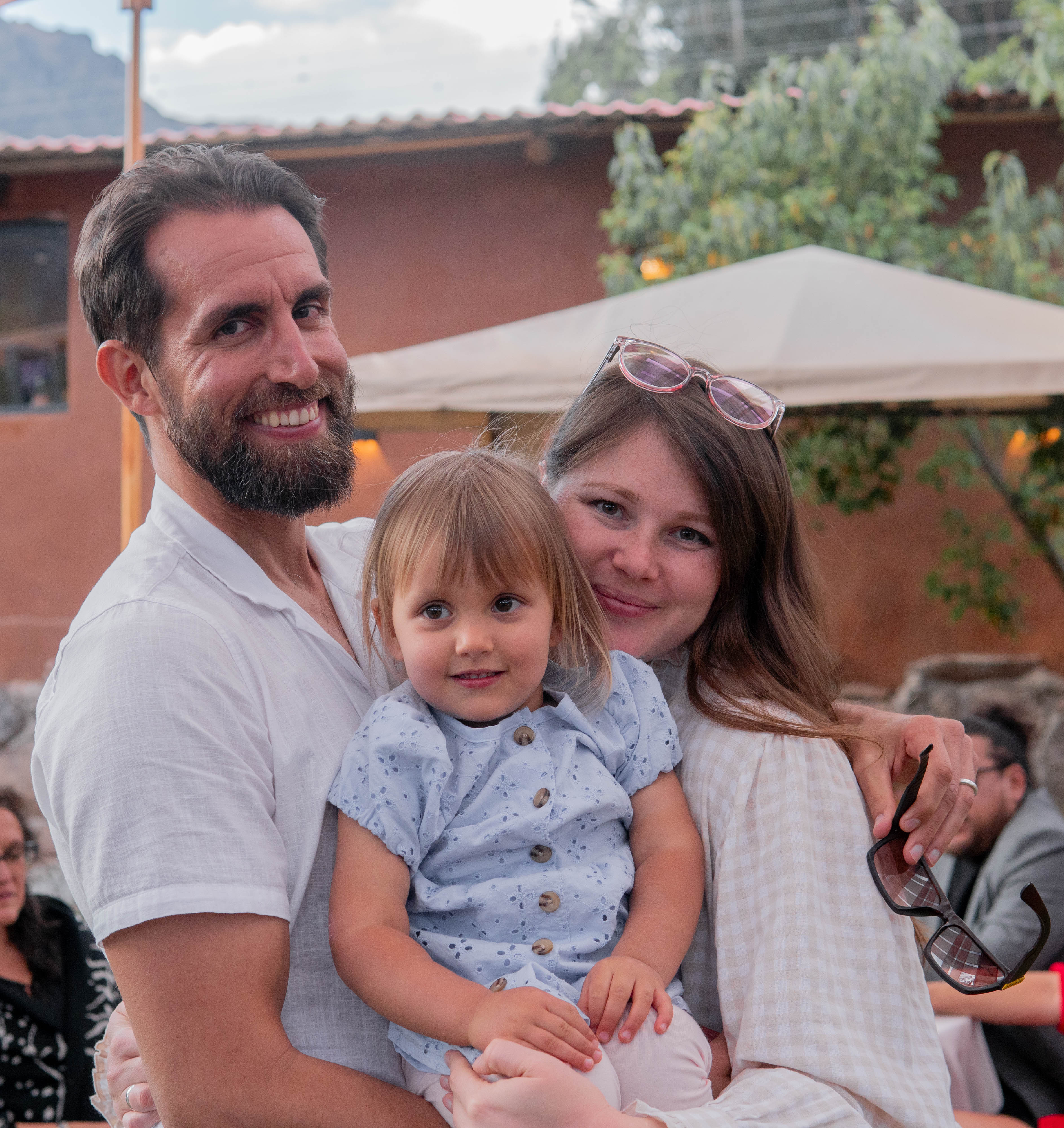
I live in the Sacred Valley with my own family. My daughter is growing up here. We go out, visit friends, explore the region, attend birthday parties, hike, and live a normal family life.
I also lived in Tarapoto for six years, and I know the area well. It is a completely different environment, but that is part of what makes it special.
For me, that is the most honest answer I can give.
I would not choose to raise my daughter somewhere that I felt was fundamentally unsafe.
Both the Sacred Valley and Tarapoto have their own challenges, and travelling with children always requires preparation. But with sensible precautions, good insurance, safe food and water habits, and an understanding of the environment, I believe both can offer families an incredible way to experience Peru together.
Peru Journey with Rodrigo runs four-week worldschooling hubs in Peru for children aged 8–14 — one in the Sacred Valley, one in the Amazon.
Sacred Valley Hub → | Amazon Hub → | 2027 dates →
Planning your own trip instead? You can book a paid one-to-one call with Rodrigo — $100.