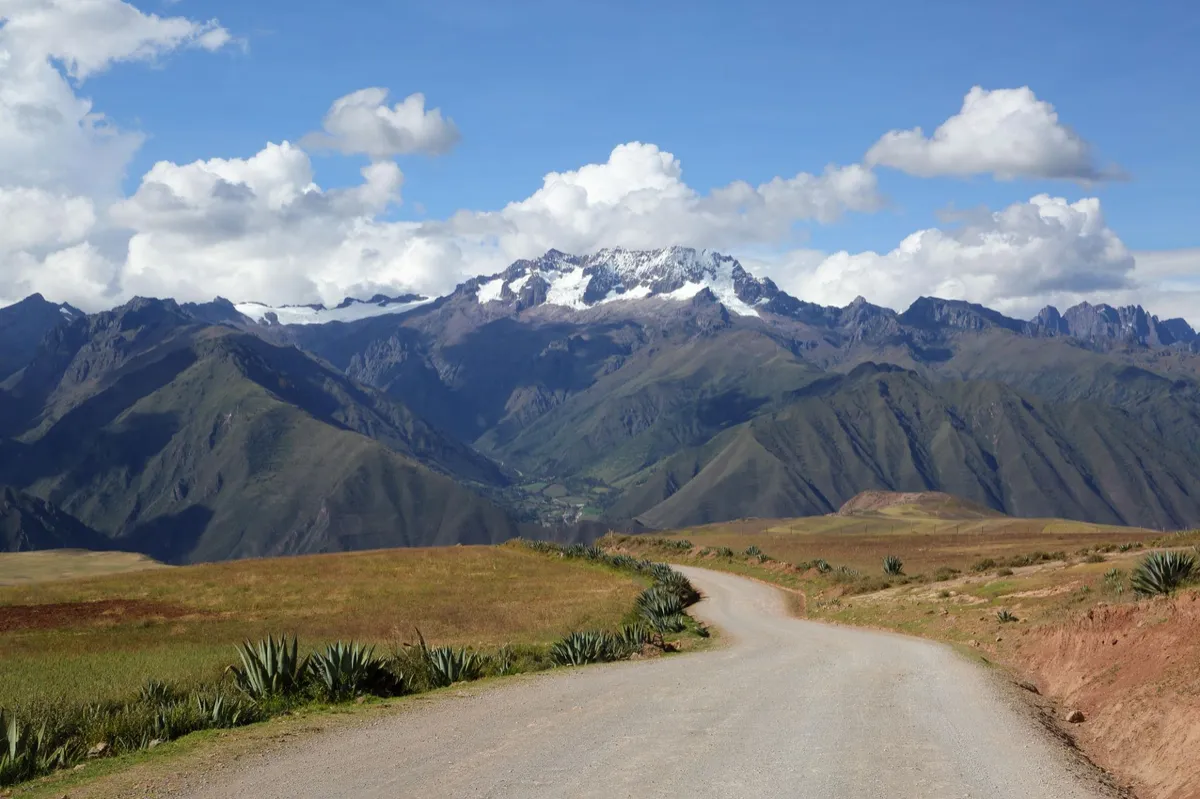
Getting to the Sacred Valley with Kids — Flights, Transfers, First Days
Getting to the Sacred Valley is actually quite simple.
For most families coming from the United States or Europe, the easiest route is to fly into Lima, the capital of Peru, and then take a domestic flight from Lima to Cusco.
There are also some international connections directly into Cusco from other South American cities, although routes change depending on the season and airline. For most families travelling from North America or Europe, however, Lima will be the most practical entry point.
Arriving in Lima
If you are travelling with children, I actually recommend spending a night or two in Lima before continuing to Cusco.
You don't absolutely have to do this. You can land in Lima and connect directly to Cusco. But after a long international journey with children, I think it is much nicer to slow things down a little.
I grew up in Lima, so if you decide to spend a couple of days there, I can give you plenty of recommendations about where to stay, what to see, and what is worth doing with children.
After Lima, the flight to Cusco is very easy. It takes just over an hour.
From Cusco Airport to the Sacred Valley
This is the part that families sometimes worry about unnecessarily.
You land in Cusco, collect your bags, walk outside — and your driver is already there waiting for you.
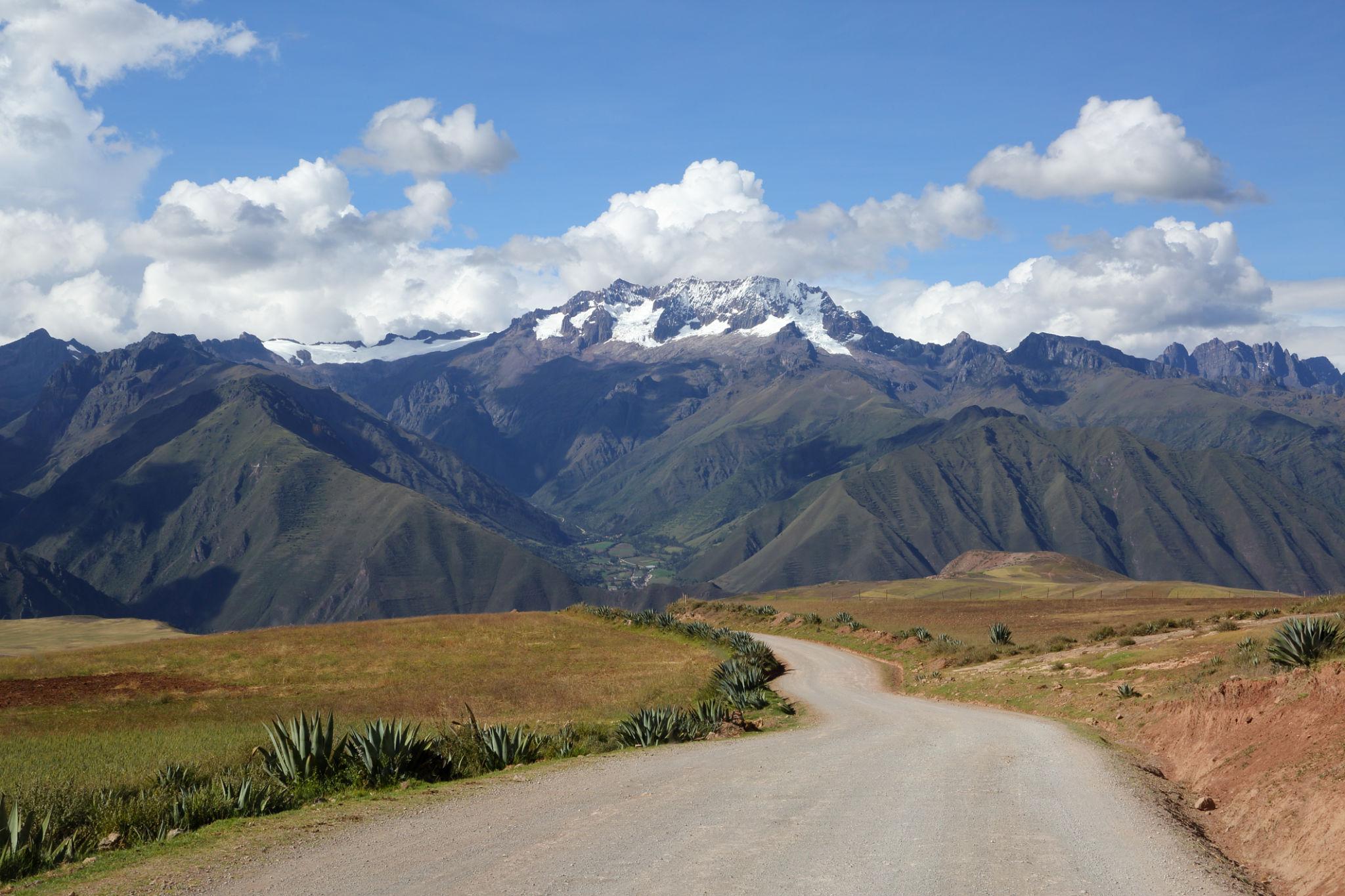
For families coming to our hub, you don't need to figure out the airport transfer yourself. I arrange for a driver to meet you at the airport and take you directly to the Sacred Valley.
The drive from Cusco Airport to Urubamba takes roughly 1½–2 hours, depending on traffic and exactly where you are staying.
And honestly, it is one of my favourite drives in the region.
You leave the city and start climbing through the mountains before eventually descending into the Sacred Valley. The landscape changes dramatically along the way. You go from the high plains around Cusco into enormous mountain valleys, with traditional villages, farmland, rivers, and incredible views.
If you are travelling with children, I strongly recommend arriving in Cusco during the morning or early afternoon if possible. That way, you can make the drive during daylight and actually see the landscape.
It also means you arrive at your accommodation with plenty of time to settle in rather than arriving exhausted and trying to find your way around in the dark.
When Should You Arrive?
If the hub begins on a Monday, I recommend arriving at least two or three days beforehand.
You can arrive later if necessary, but having those extra days makes everything easier.
First, there is the altitude. Your body needs some time to adjust, and there is no reason to arrive on Sunday evening and expect everyone to be ready for a full program first thing Monday morning.
Second, travelling with children always takes longer than you think!
You need time to unpack, buy groceries, figure out where everything is, recover from the journey, and simply let everyone settle into the new environment.
I would ideally spend those first few days in Urubamba or elsewhere in the Sacred Valley, rather than staying in Cusco. You are going to be living at a lower altitude in the valley anyway, so there is little reason to spend extra time at the higher elevation of Cusco if your final destination is Urubamba.
For more information about altitude and acclimatization, see our article on altitude and acclimatization with children.
Where Should You Stay?
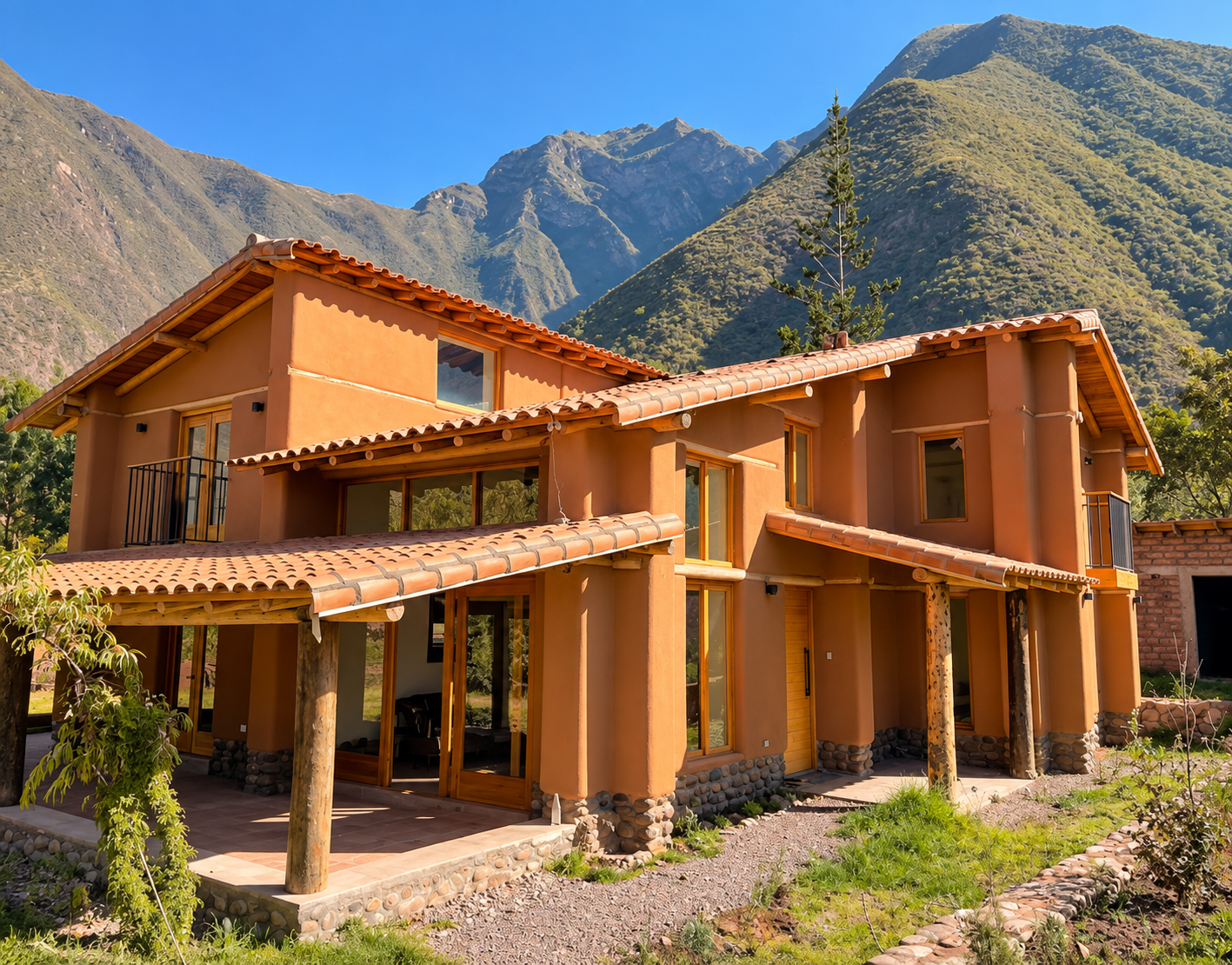
Families arrange their own accommodation. Airbnb is usually the easiest place to look, and it’s often worth messaging the host directly — you may be able to get a better monthly rate than the price shown online.
There is a wide range of accommodation in and around Urubamba. As a general guide, a family of four should expect to budget around $1,200–$1,500 per month for a comfortable short-term rental, although prices vary depending on the size, location, and quality of the property.
For more details about the overall cost of living, see our article on what a month in the Sacred Valley costs.
Staying Connected
You don't need to disconnect from the world when you come here.
I work online from Urubamba every day and depend on a reliable internet connection for my online teaching. So far, I have personally had no problems with my internet connection.
That said, internet quality varies between properties. Before booking accommodation, I recommend asking the host for an actual recent speed test rather than simply asking whether they have Wi-Fi.
Ask about:
Download and upload speeds
Whether the connection works throughout the house
Whether previous guests have worked remotely
What internet provider they use
What happens if the internet goes down
I also recommend having mobile data as a backup.
Peru has several mobile operators, including Claro, Movistar, Entel, and Bitel. Coverage can vary considerably depending on the exact location, so rather than assuming one company is best everywhere, it is worth checking the specific address. The Peruvian telecommunications regulator, OSIPTEL, has an online tool that allows you to compare coverage by location.
A local SIM or eSIM is inexpensive compared with what many international travellers are used to paying for roaming, and having mobile data available can be very useful.
Do I Need a Car?
For most families staying in Urubamba, I don't think you need to rent a car for the whole month.
Urubamba is relatively compact. You can walk to many places, and mototaxis are everywhere for short trips.
For longer journeys between towns, there are colectivos and buses. These are very inexpensive, usually around $1–$2 per person depending on the destination.
Private taxis are another option and are much more convenient when travelling with young children or carrying lots of things. A private ride to another town in the valley might cost around $25–$40, depending on the distance.
For the hub itself, we will explain the easiest transport options for your particular accommodation. Some families will be able to walk, while others may prefer to use a mototaxi or arrange a regular driver.
I generally think it is better to use local transport and hire a car or driver when you actually need one rather than paying for a rental car that sits unused most of the week.
Your First Grocery Run
Once you arrive, one of the first things you will probably want to do is buy food.
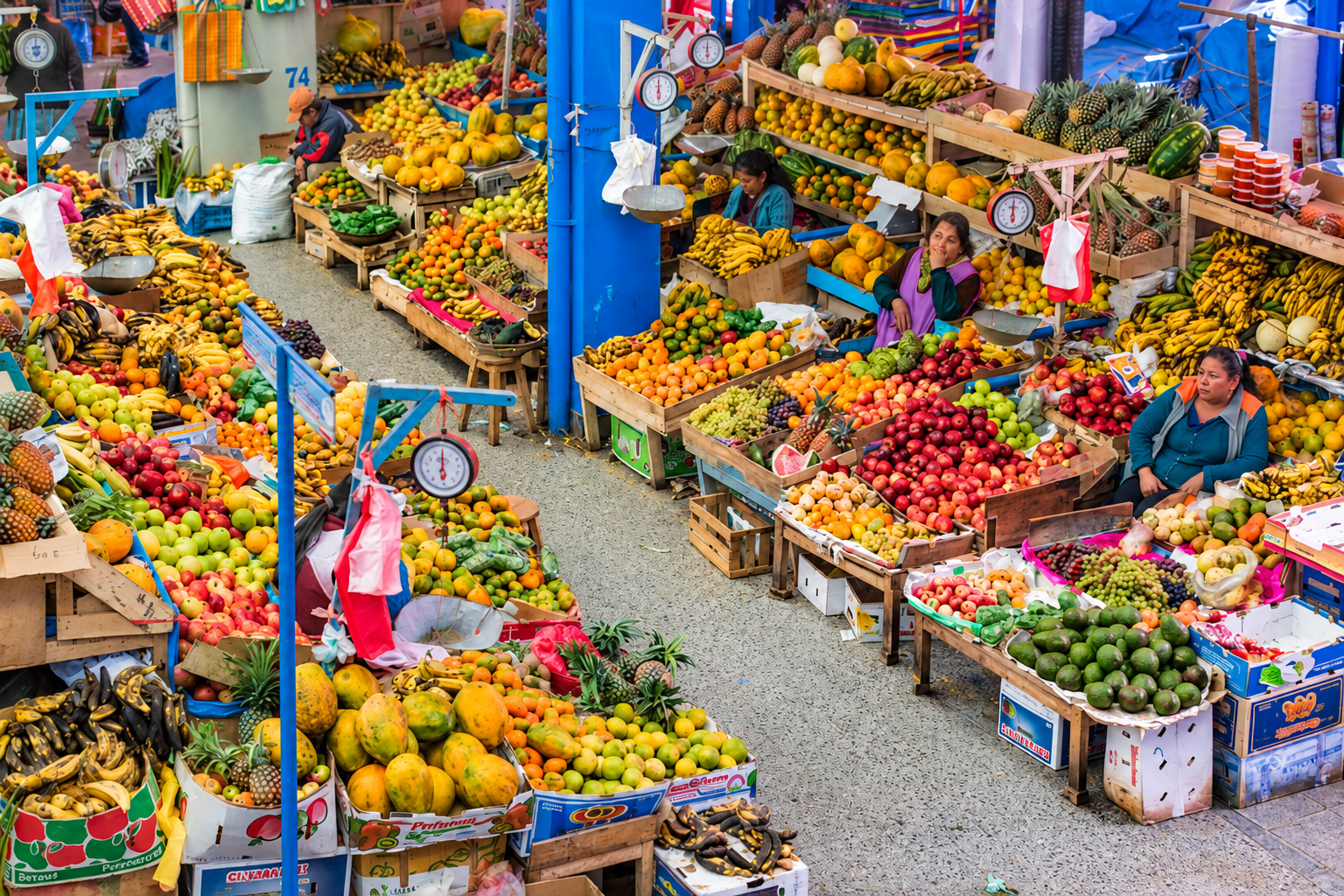
Urubamba has a local market where you can buy fresh fruit, vegetables, meat, grains, and many other basics. There are also supermarkets and smaller shops around town.
I personally love shopping at the local market. The produce is fresh, local, and generally inexpensive, and it is also part of the experience of actually living here rather than simply visiting as a tourist.
You can also find many familiar products in supermarkets if there is something from home that you really need.
My recommendation is to do a bigger grocery shop when you arrive and then use the local market for fresh produce throughout your stay.
Cash or Cards?
Cards are accepted in many restaurants, supermarkets, cafés, and larger businesses, but I always recommend having some cash with you.
Smaller shops, markets, mototaxis, and some local restaurants may be cash-only.
There are ATMs in Urubamba, so you do not need to arrive carrying your entire month's budget in cash. However, I would still recommend having some Peruvian soles with you when you first arrive.
It is also worth asking your bank what fees they charge for international withdrawals and whether they need to know you are travelling.
A Few Things I Always Tell New Arrivals
The first few days can feel slightly chaotic.
You have just travelled a long way, your children are tired, you are in a new country, and suddenly you are trying to figure out groceries, money, transport, altitude, and where the nearest pharmacy is.
Don't try to do everything immediately.
Give yourself a couple of days.
Go for a walk around Urubamba. Find your favourite café. Buy some fruit at the market. Let the kids play. Have a good meal. Get some sleep.
And if you are staying with us, ask me.
I live here. If you don't know where to buy something, need a taxi, want to find a doctor, are looking for a particular food, or simply don't know how something works, I can usually point you in the right direction.
That is one of the advantages of coming to a place where someone you know already lives.
You don't have to figure everything out yourself.
The goal of those first few days isn't to become an expert on Peru.
It's simply to arrive, settle in, take a breath, and let your family start enjoying the Sacred Valley.
Peru Journey with Rodrigo runs four-week worldschooling hubs in Peru for children aged 8–14 — one in the Sacred Valley, one in the Amazon.
Sacred Valley Hub → | Amazon Hub → | 2027 dates →
Planning your own trip instead? You can book a paid one-to-one call with Rodrigo — $100.