Altitude and Acclimatization with Children: What Families Should Know Before Coming to the Sacred Valley
One of the first questions families ask when considering a trip to Peru is about altitude — and understandably so. For many people coming from near sea level, the Sacred Valley will be the highest place they have ever lived or travelled.
Urubamba, where we are based, sits at around 2,800 metres (approximately 9,200 feet) above sea level. Cusco is considerably higher, at around 3,400 metres (approximately 11,150 feet).
That difference matters.
Both places are high enough for visitors to feel the effects of altitude, but in my experience, Urubamba is generally an easier place to acclimatize and live than Cusco. After landing at Cusco airport, you actually travel down into the Sacred Valley, which means arriving at a lower altitude rather than going higher.
At a glance
Urubamba: about 2,800 m (9,200 ft) · Cusco: about 3,400 m (11,150 ft)
Take it easy for the first few days and give your body time to adjust
Drink water, rest, eat normally, and save big hikes for later
Seek medical help if symptoms are severe or getting worse
What does altitude sickness feel like?
Altitude affects everyone differently.
For some people, it might mean a mild headache, difficulty sleeping, feeling unusually tired, or becoming short of breath more easily. For others, the symptoms can be stronger, and they may need several days of rest before they feel normal again.
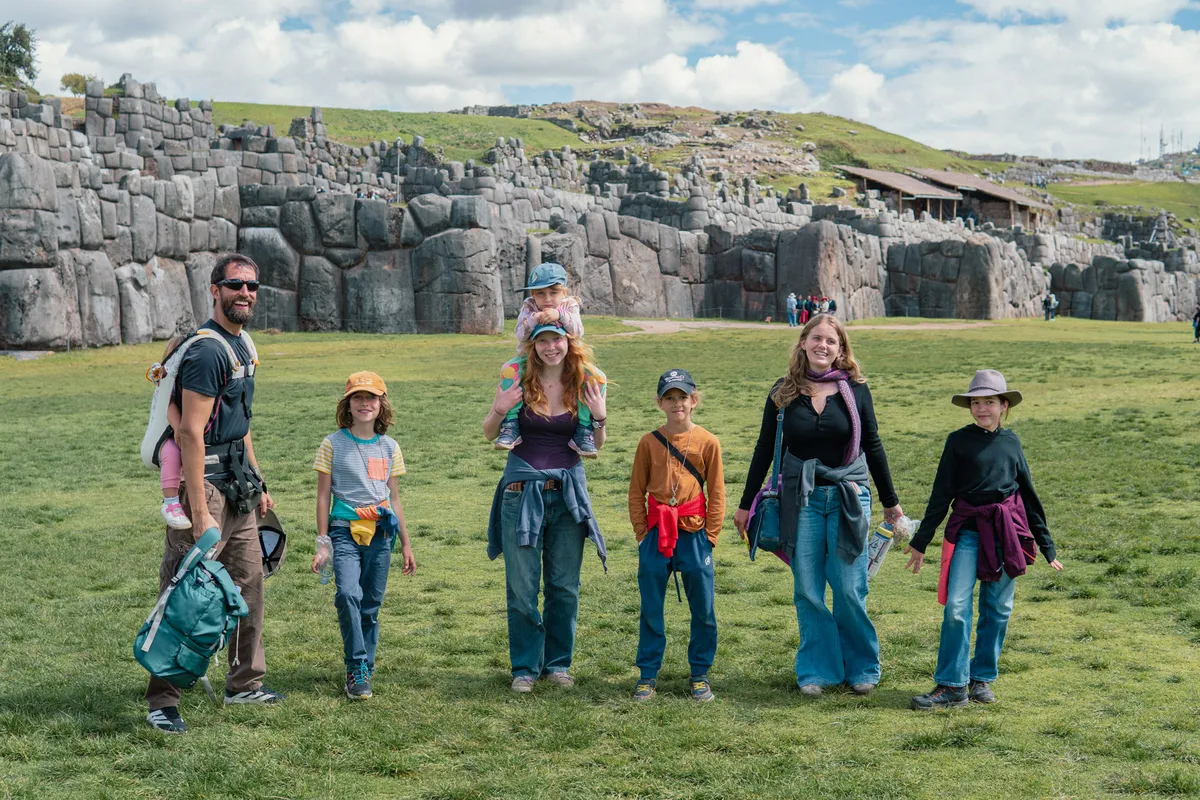
One thing I have personally noticed is that adults often seem to struggle more than children — but this is simply my experience with the families I have seen and should not be taken as a guarantee. When my wife, our baby daughter and I first moved to the Sacred Valley, my daughter seemed completely unaffected while my wife and I both had a more difficult time adjusting.
Every person is different.
Some families arrive and barely notice the altitude. They may simply get more winded walking uphill or climbing stairs. Others need to slow down significantly during their first few days.
The same altitude can feel very different from one person to another.
Give yourself time
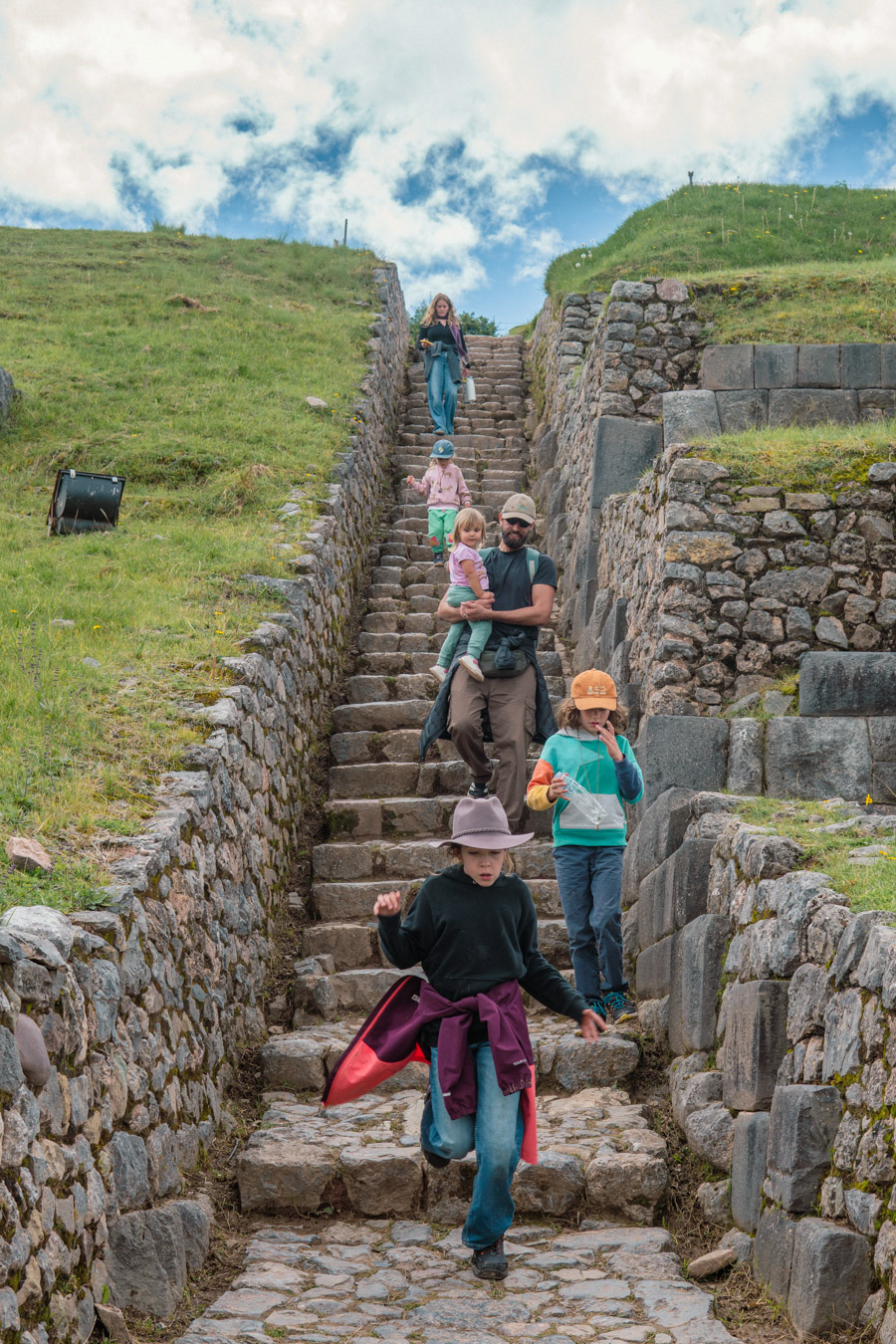
My personal recommendation for families is to allow around five days to take things relatively easy before planning anything physically demanding.
The first few days are an important period of adjustment, and you may not know immediately how your body will respond.
That does not mean spending five days in bed! It simply means not planning your toughest hike, mountain climb, or full-day adventure immediately after arriving.
Take walks. Explore the town. Spend time with your family. Enjoy the Sacred Valley at a slower pace.
The mountains will still be there in a few days.
My preferred way to arrive
For families flying internationally, the most common route is to fly into Lima and then take a domestic flight to Cusco.
From Cusco airport, my recommendation is usually to travel directly down to the Sacred Valley rather than spending several days in Cusco first. Urubamba is around 600 metres lower than Cusco, and that difference can make acclimatization easier.
Coming by land is also possible, and it can be a beautiful journey through Peru. I have travelled the route myself several times. However, it is a long journey — around 24 hours of driving in total, depending on the route — and I would strongly recommend breaking it into multiple days, especially when travelling with children.
What actually helps?
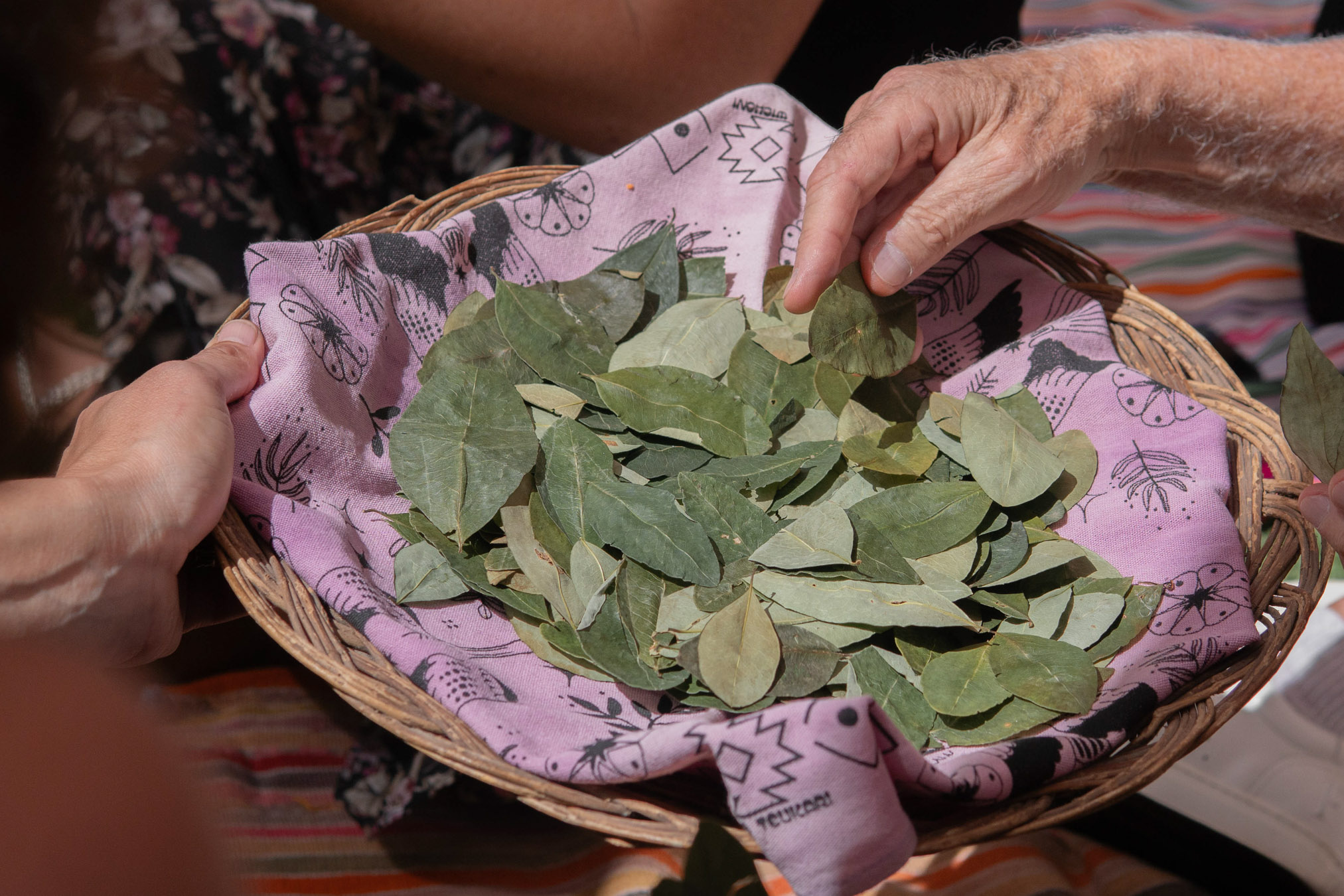
There are medications that doctors may prescribe to help with altitude, and some travellers also use traditional remedies such as coca tea.
Coca tea is part of Andean culture, and many visitors enjoy it after arriving. Personally, I would not present it as a miracle cure. Some people feel it helps, while others notice very little difference.
The simplest things are often the most important: drink enough water, eat normally if you can, get plenty of rest, and avoid pushing yourself physically during the first few days. Gradual acclimatization and taking it easy early on are among the most important things you can do to reduce the risk of altitude illness.
In other words, don't arrive in the Sacred Valley and immediately decide that tomorrow is the perfect day to climb a mountain.
When should you see a doctor?
Mild symptoms can occur during acclimatization, but severe or worsening symptoms should always be taken seriously.
If a child or adult is experiencing severe difficulty breathing, confusion, fainting, difficulty walking normally, severe weakness, or symptoms that are getting significantly worse rather than improving, seek medical help. Serious altitude illness requires prompt treatment and, in some cases, descent to a lower altitude.
For families staying with us, we can also help connect you with local medical services if needed.
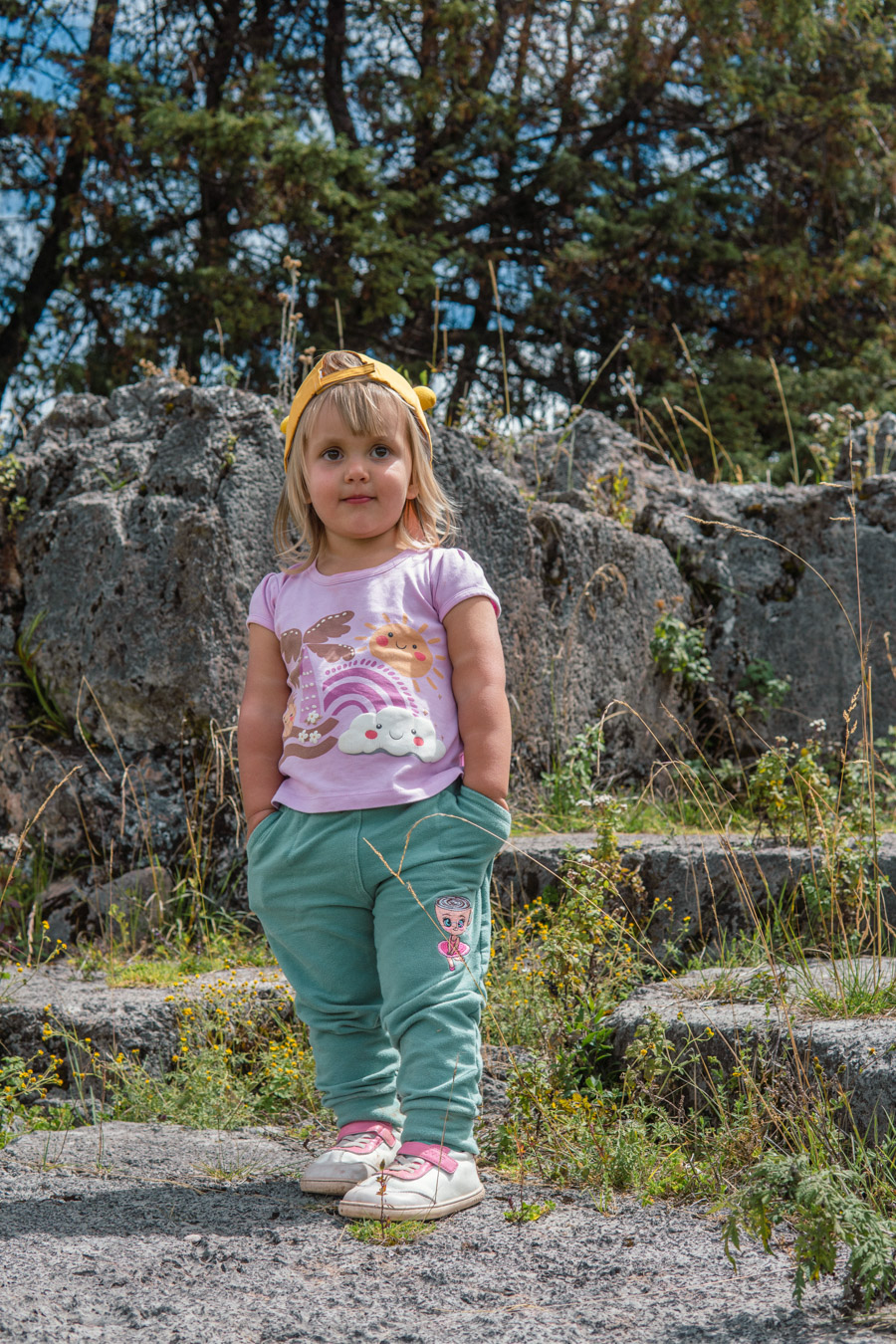
Is there an age that is too young?
Personally, I would not say there is a specific age at which a child should automatically be advised not to come to the Sacred Valley. Our own daughter came here when she was still a baby, and she did very well.
I have also seen people at the other end of life enjoy Cusco and the Sacred Valley. My own grandmother visited Cusco when she was 91 years old and had a good experience.
But age is only one factor. Every child and every adult is different, and families should consider their individual health circumstances and speak with a medical professional if they have concerns.
What I have actually seen with families
Over the years, I have seen families react to altitude in very different ways.
Some barely notice it. Aside from getting a little more winded walking uphill, altitude does not significantly affect their trip.
Others need to take their first few days very slowly. They rest more, avoid demanding activities, and gradually increase what they do.
From my personal experience, I have more often seen adults struggling than children. I have never personally seen one of the families I have hosted need to go to the hospital because of altitude sickness. I have heard of more serious cases occurring at higher altitudes, including in Cusco, although I have not personally witnessed them.
The most important advice I can give is not to be afraid of the altitude — but also don't ignore it.
The Sacred Valley is high, and your body needs time to adapt. Give yourself those first few days, listen to your body, and don't try to do everything immediately.
Once you are acclimatized, you can start enjoying what makes this place so extraordinary: the mountains, the ruins, the hikes, the communities, the waterfalls, and everything else that makes the Sacred Valley such an incredible place to explore as a family.
Thinking about spending a month in the Sacred Valley with your family?
See our Sacred Valley Hub →
Peru Journey with Rodrigo runs four-week worldschooling hubs in Peru for children aged 8–14 — one in the Sacred Valley, one in the Amazon.
Sacred Valley Hub → | Amazon Hub → | 2027 dates →
Planning your own trip instead? You can book a paid one-to-one call with Rodrigo — $100.